 Image 1 of 5
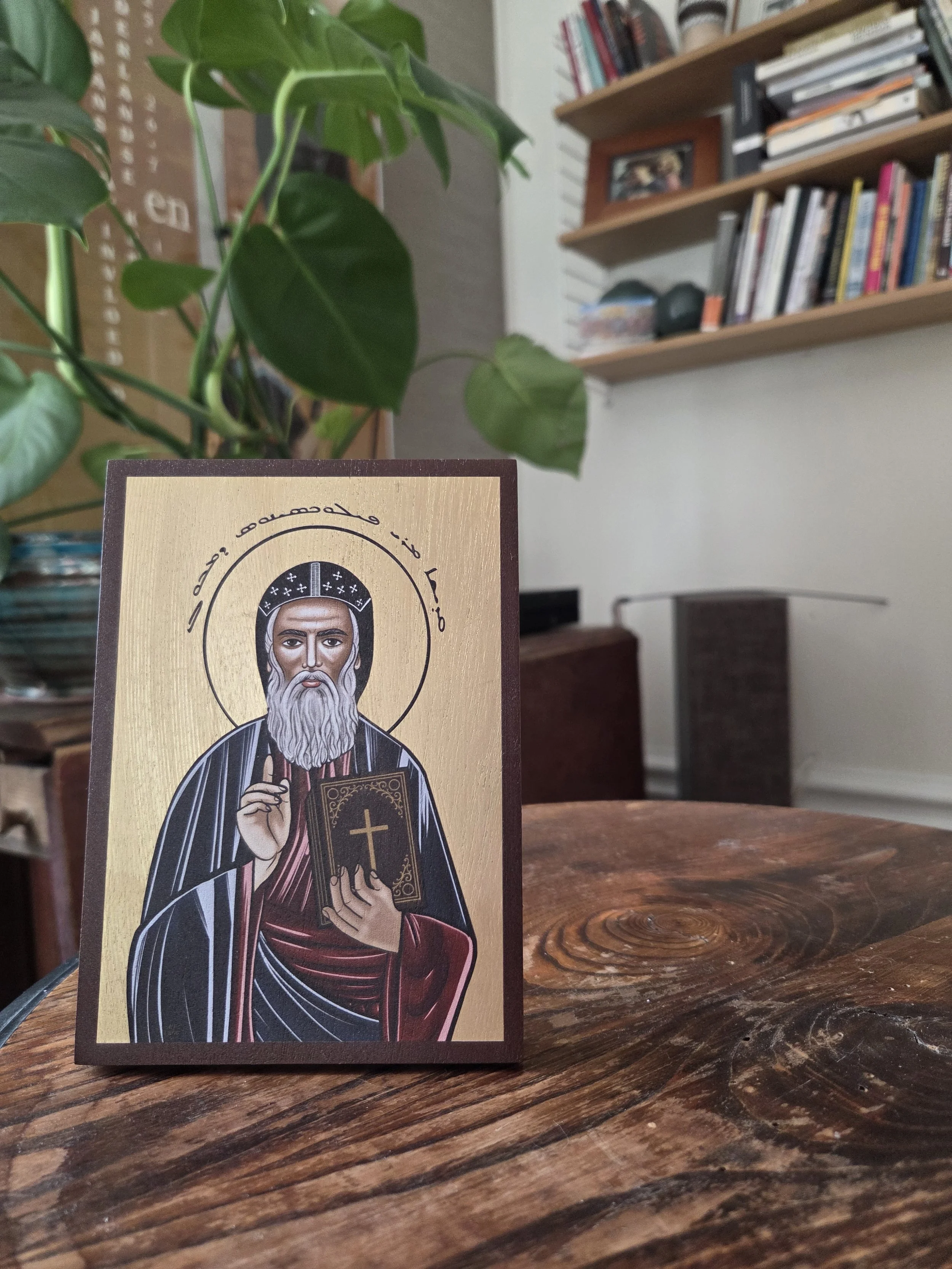 Image 2 of 5
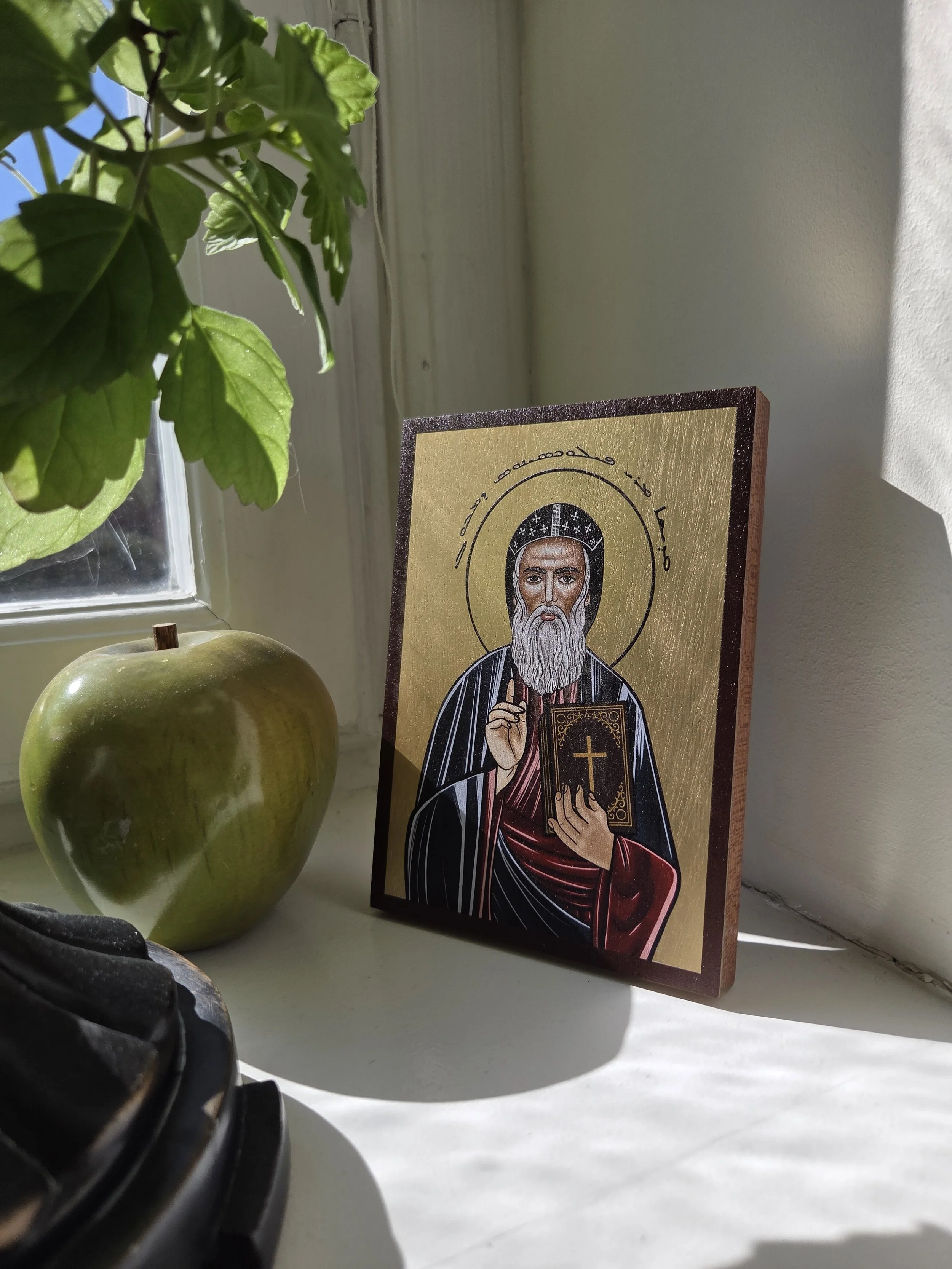 Image 3 of 5
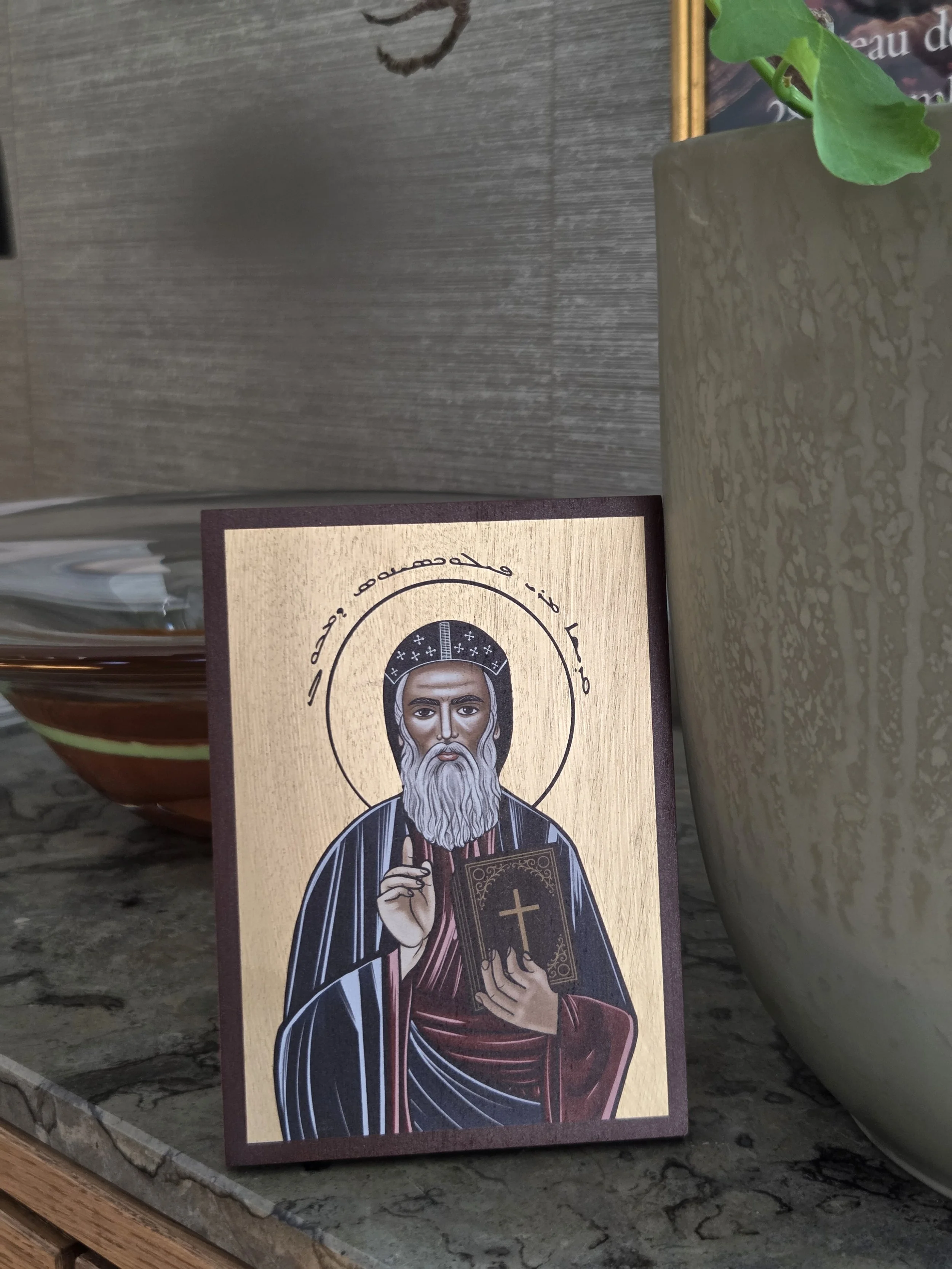 Image 4 of 5
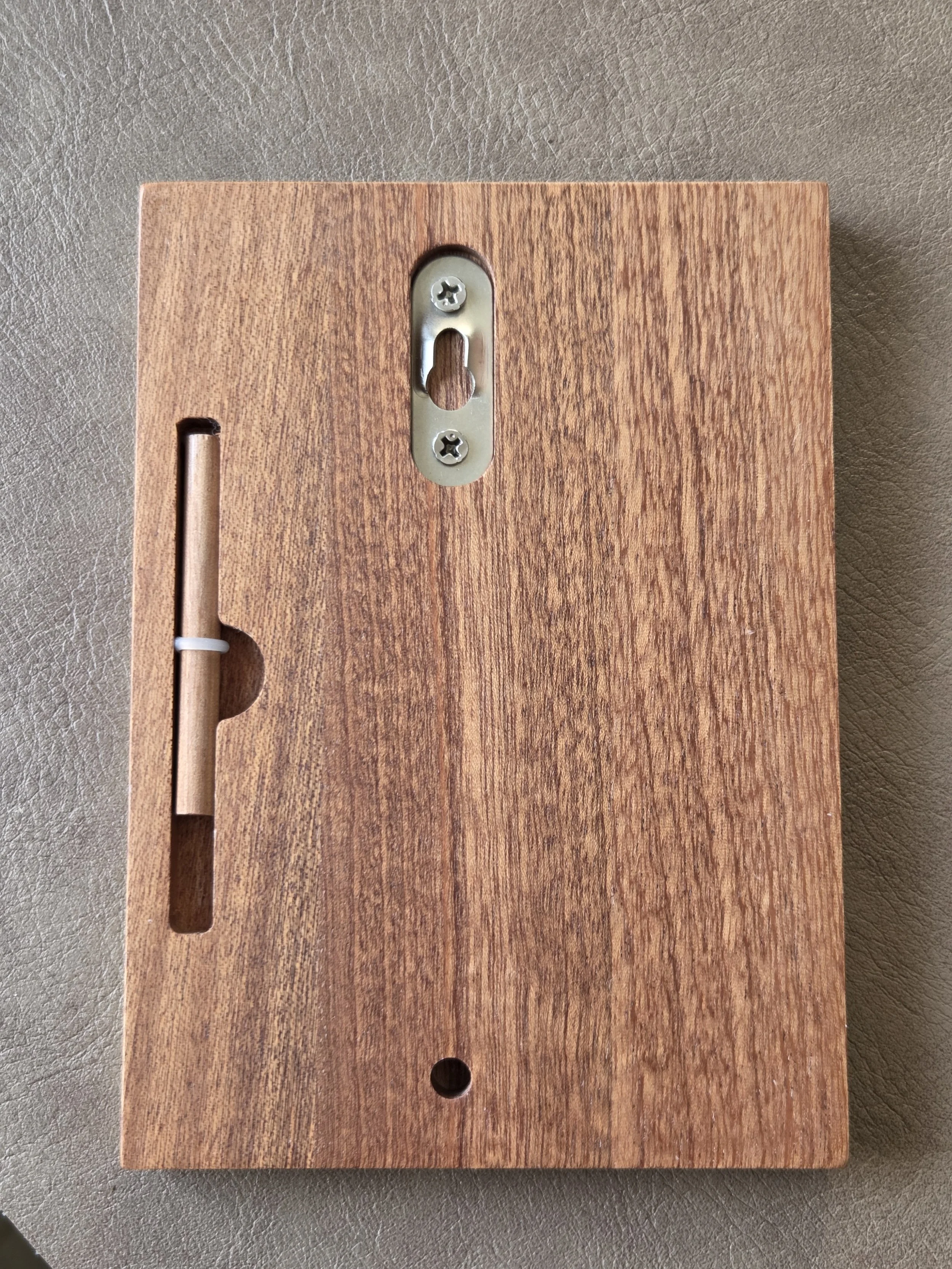 Image 5 of 5
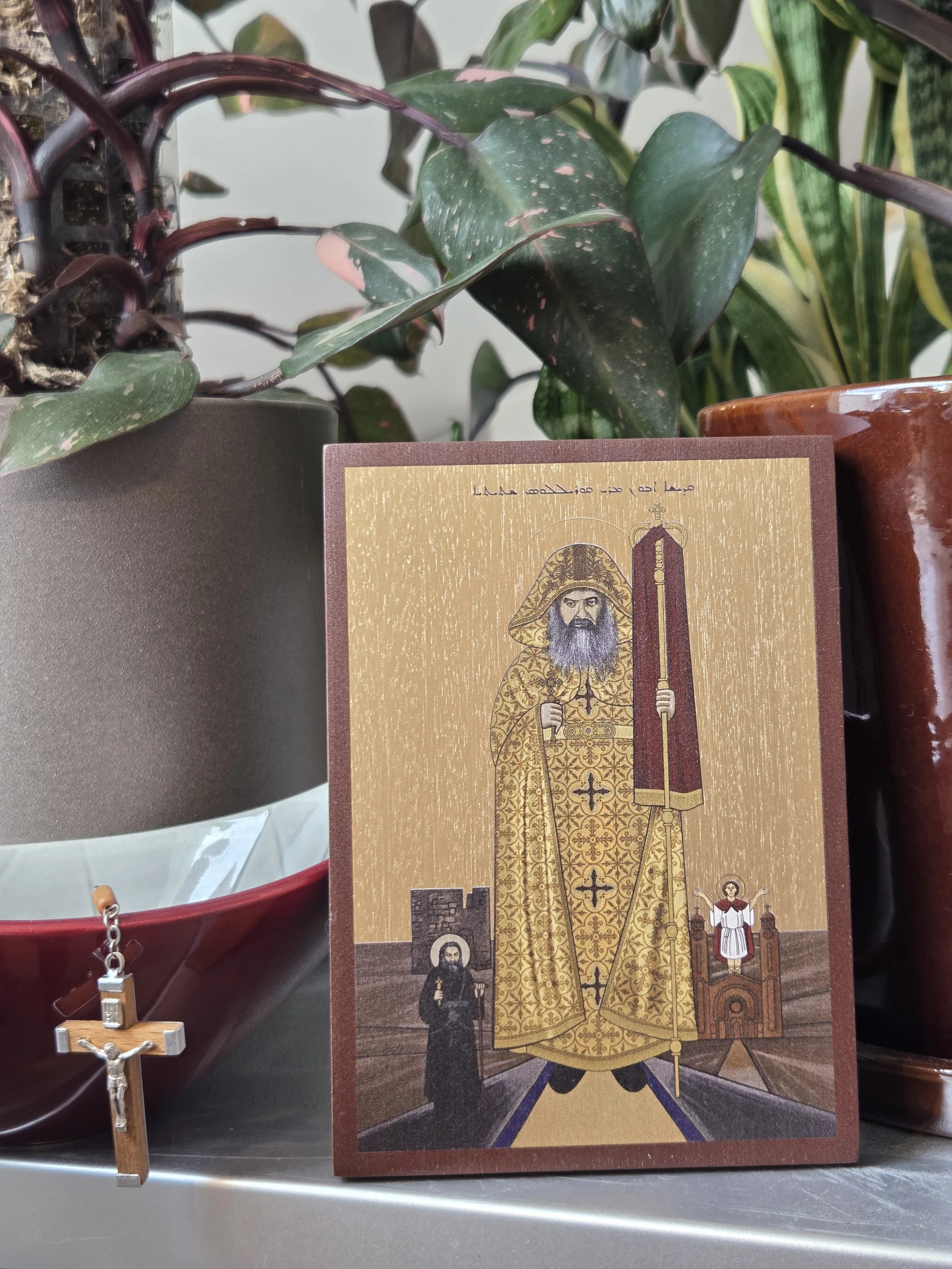
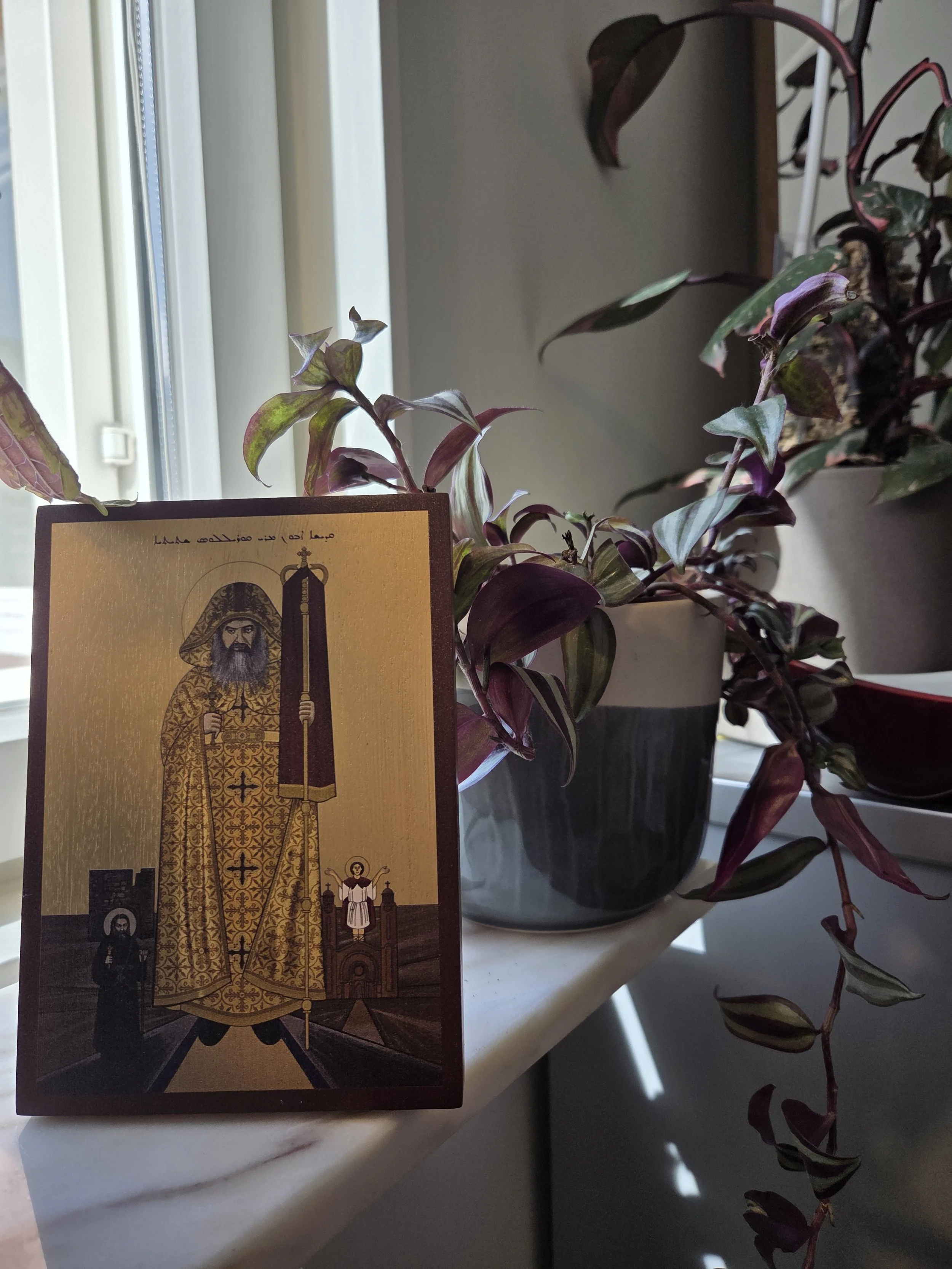
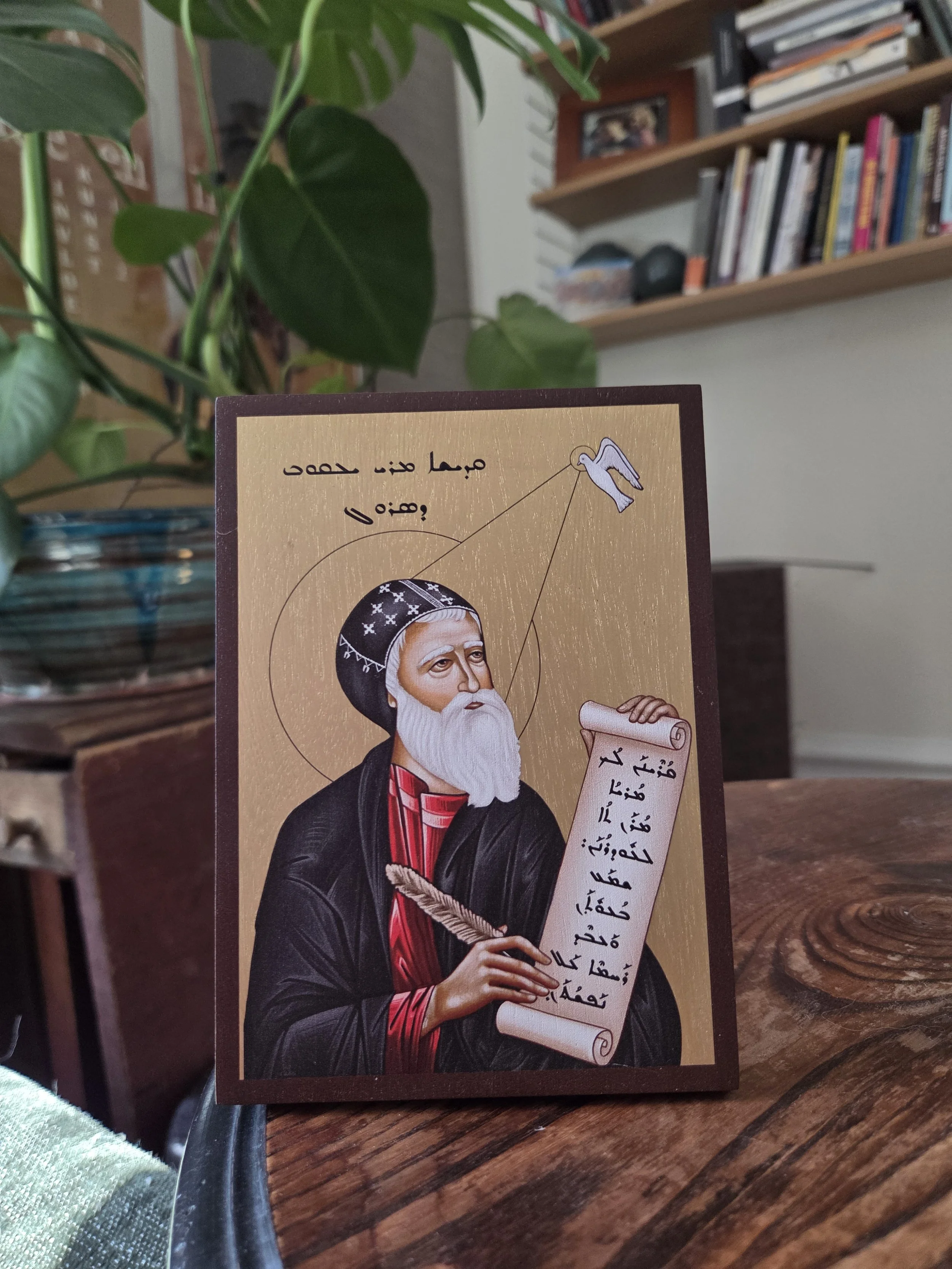
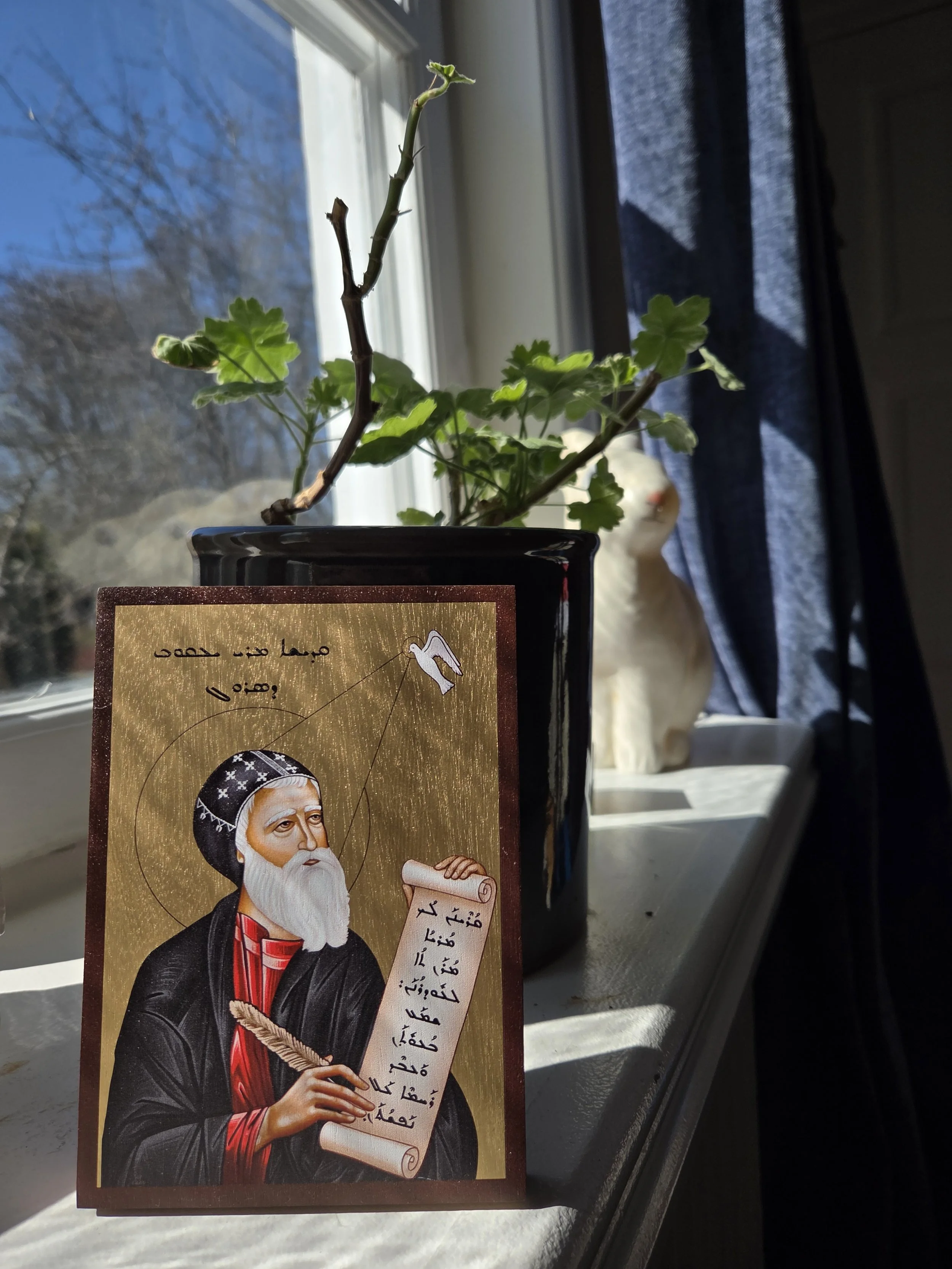
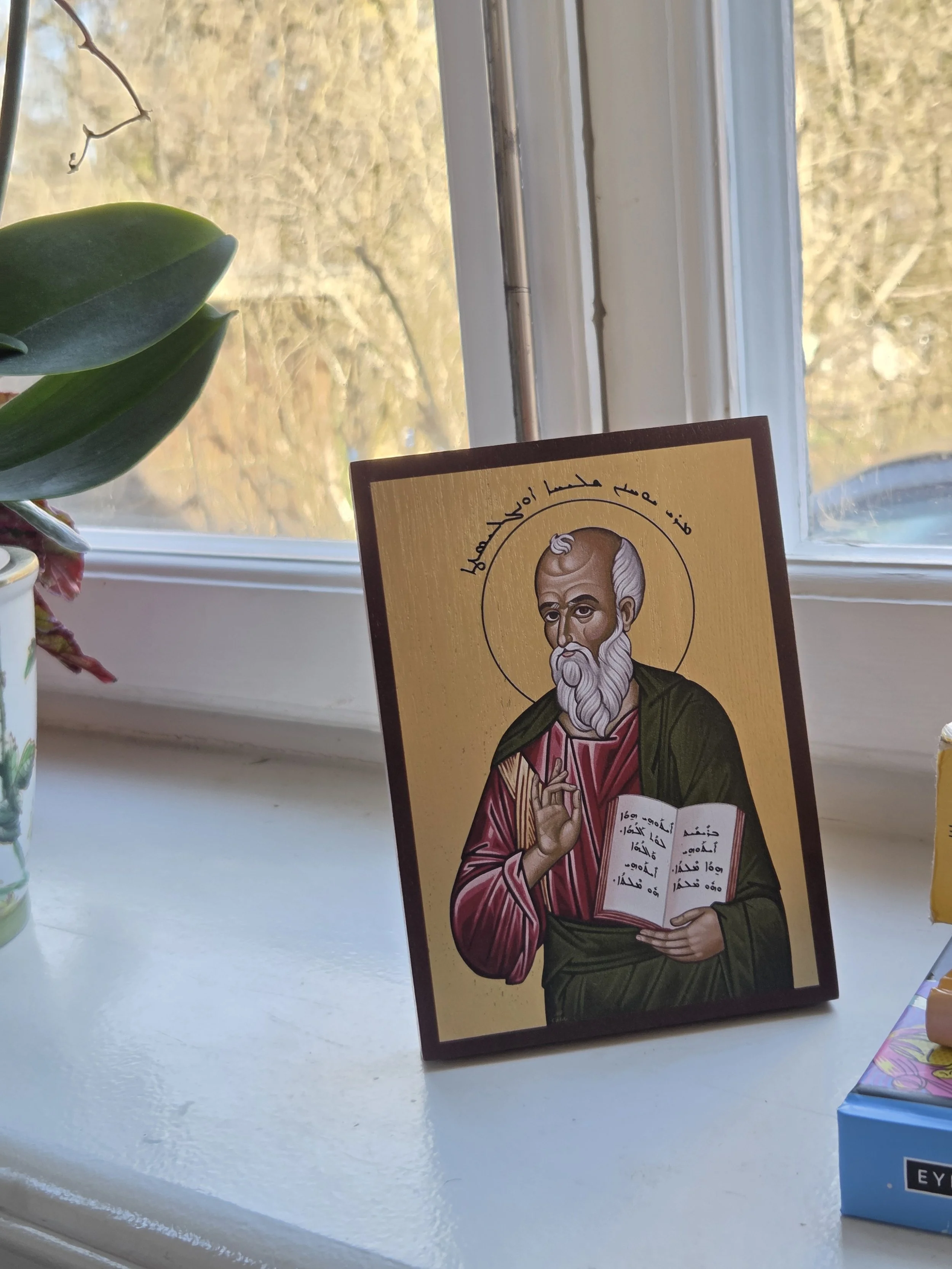
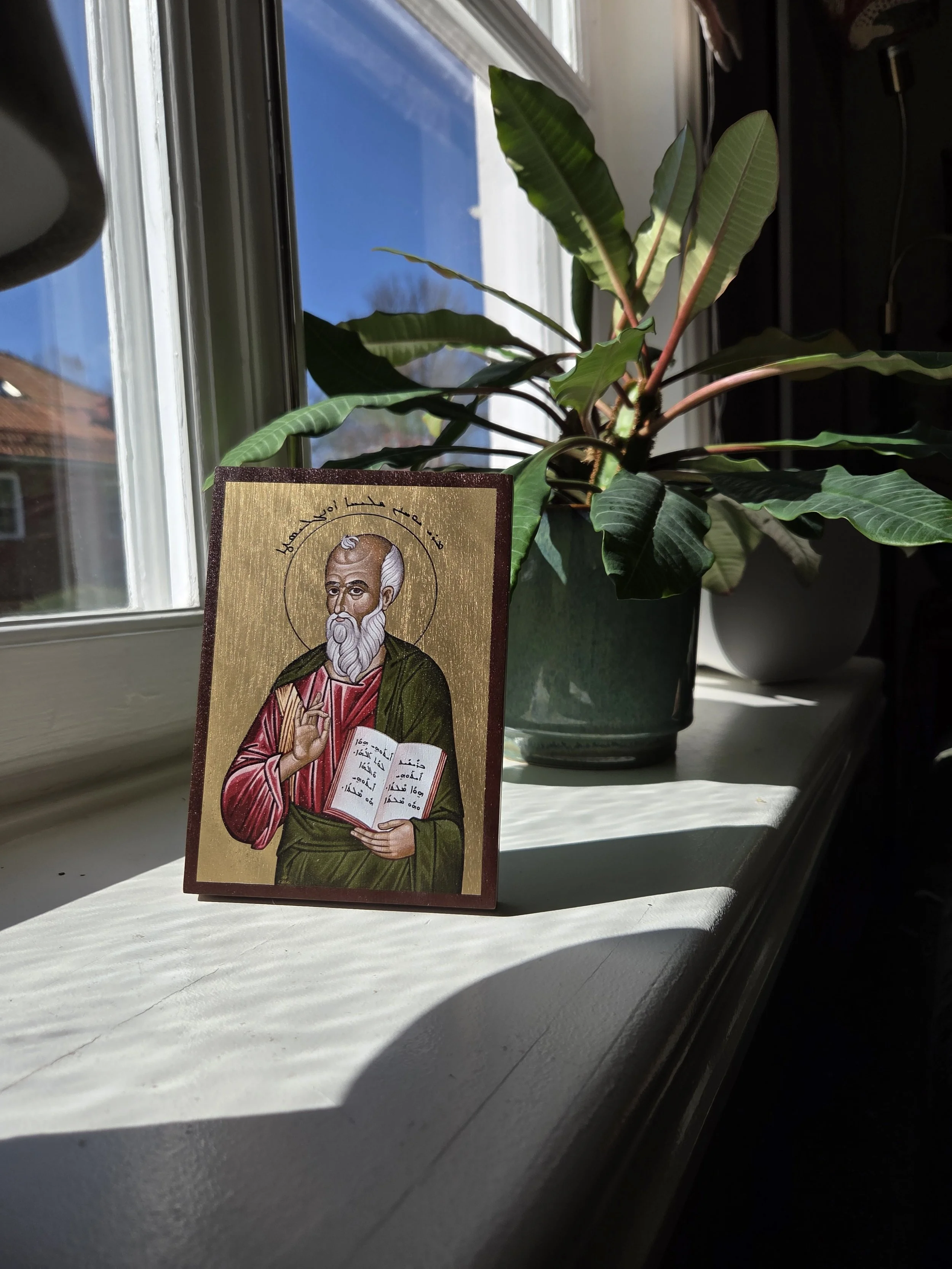
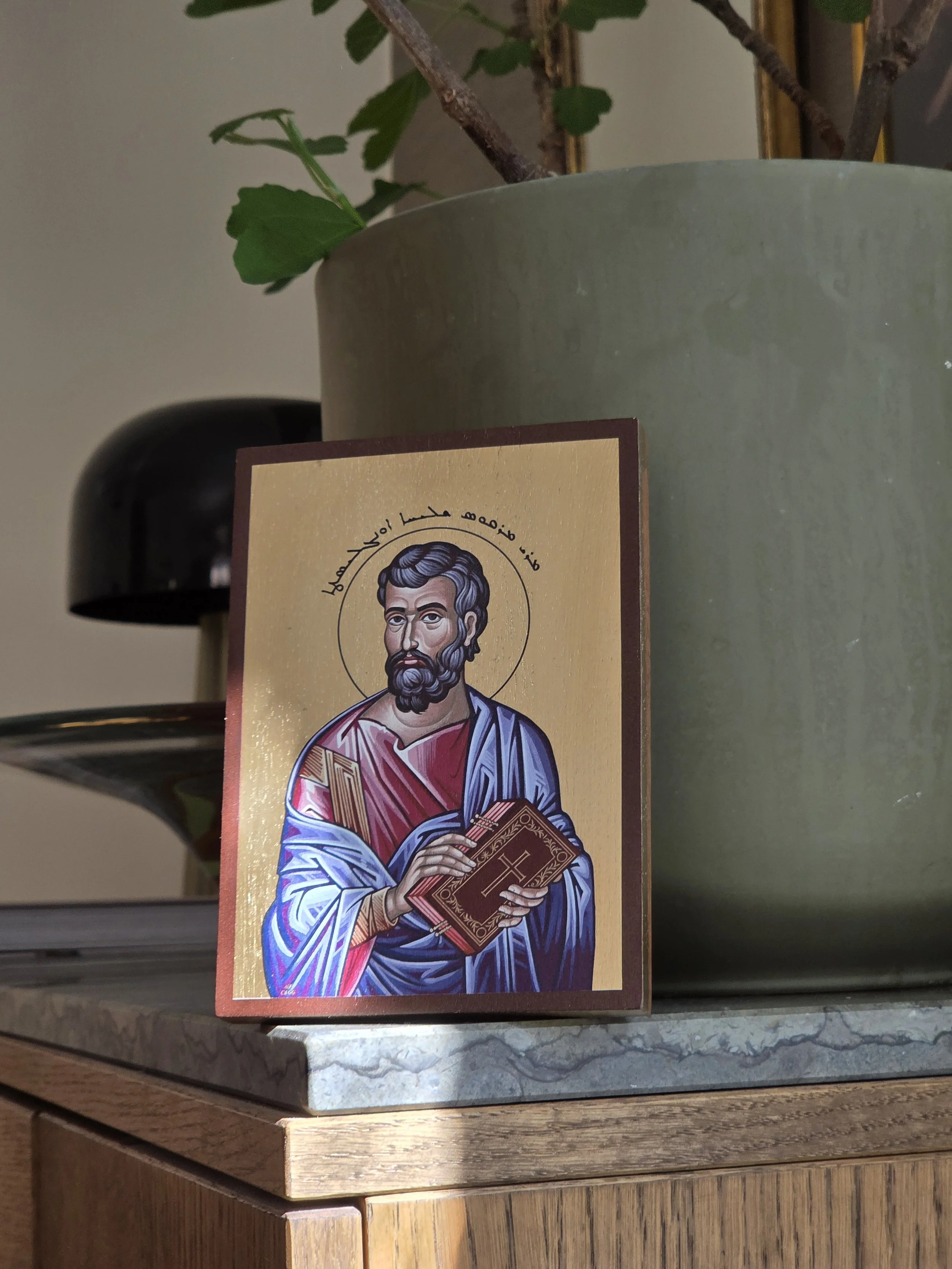
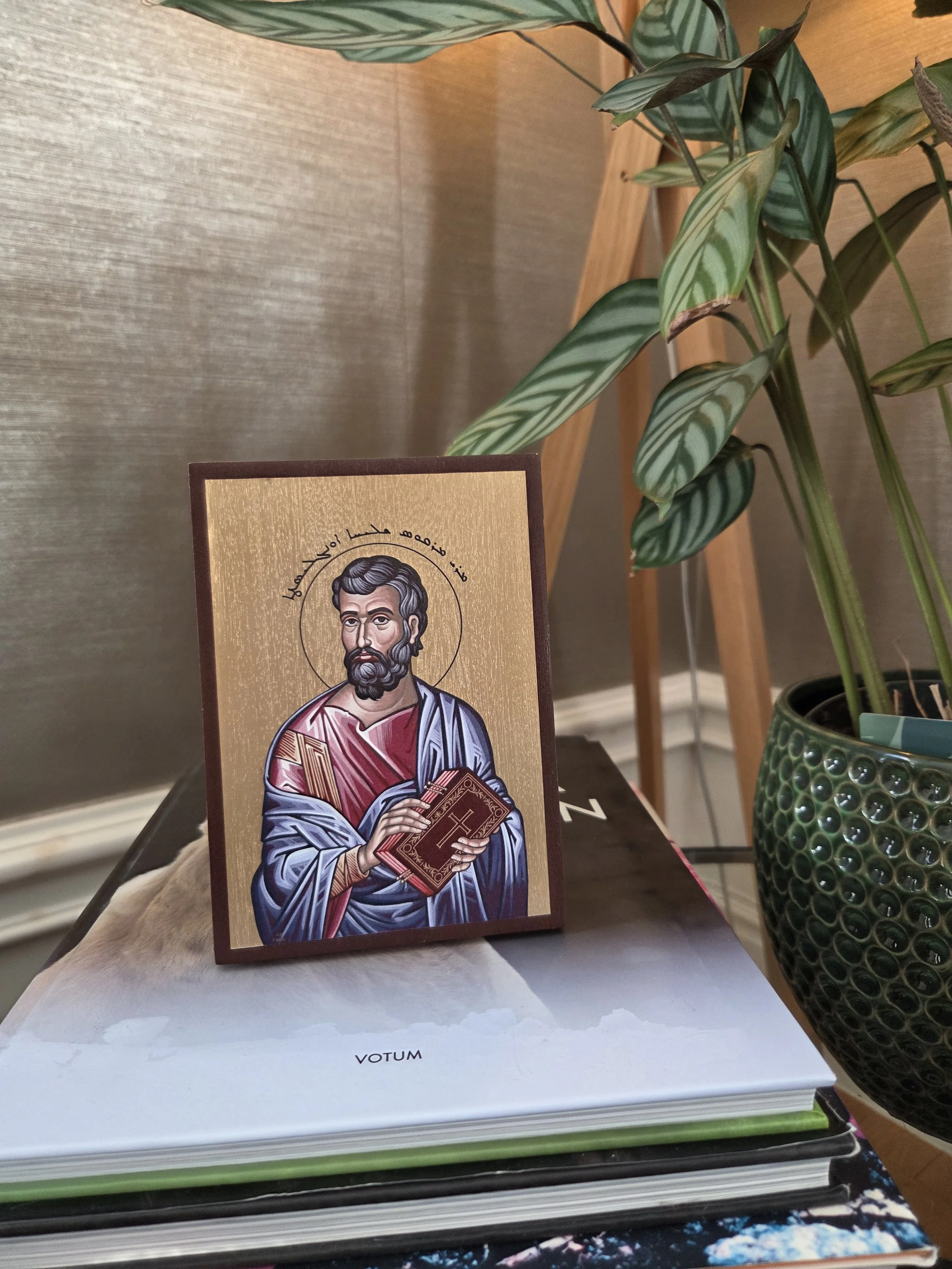
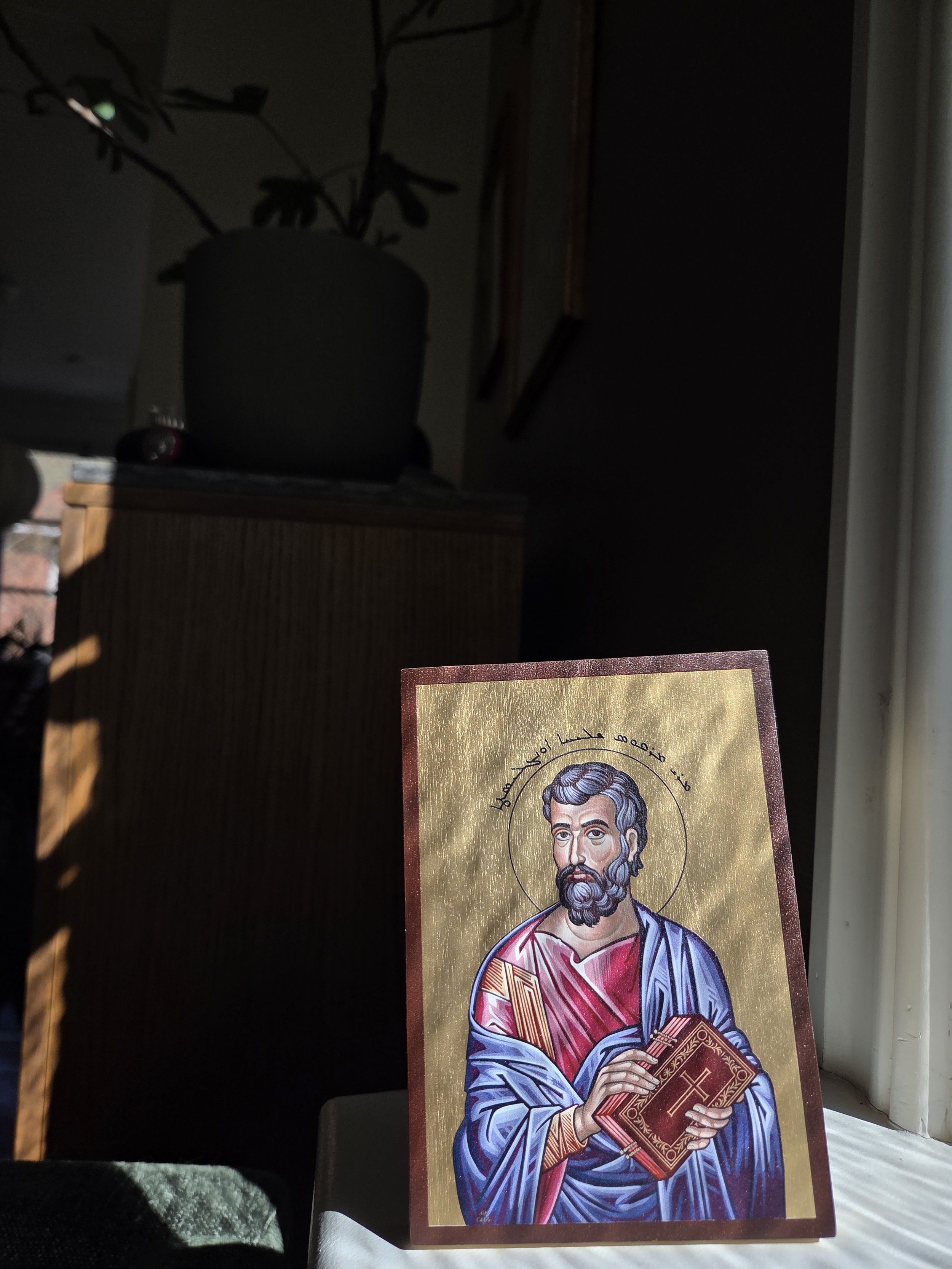
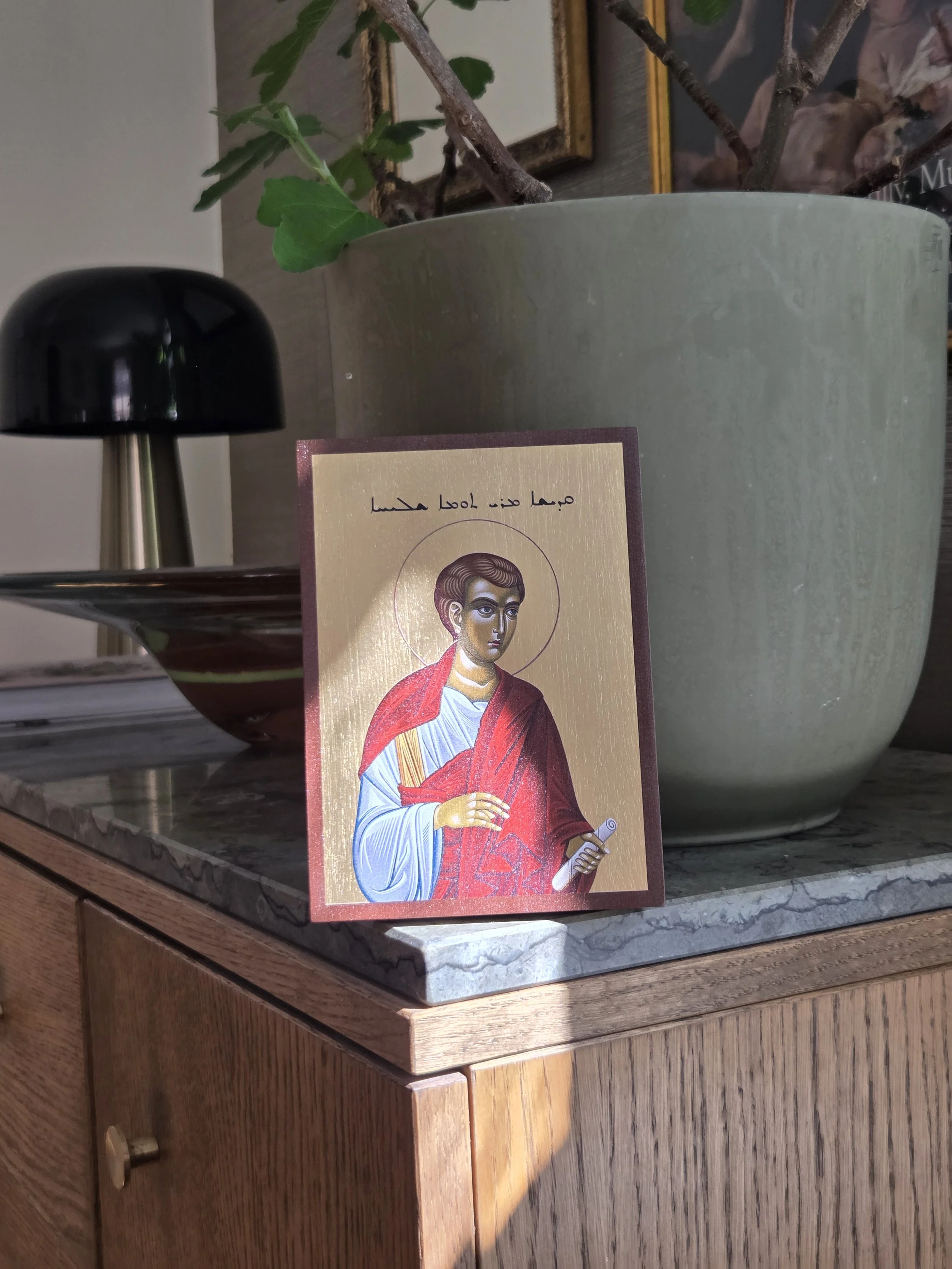
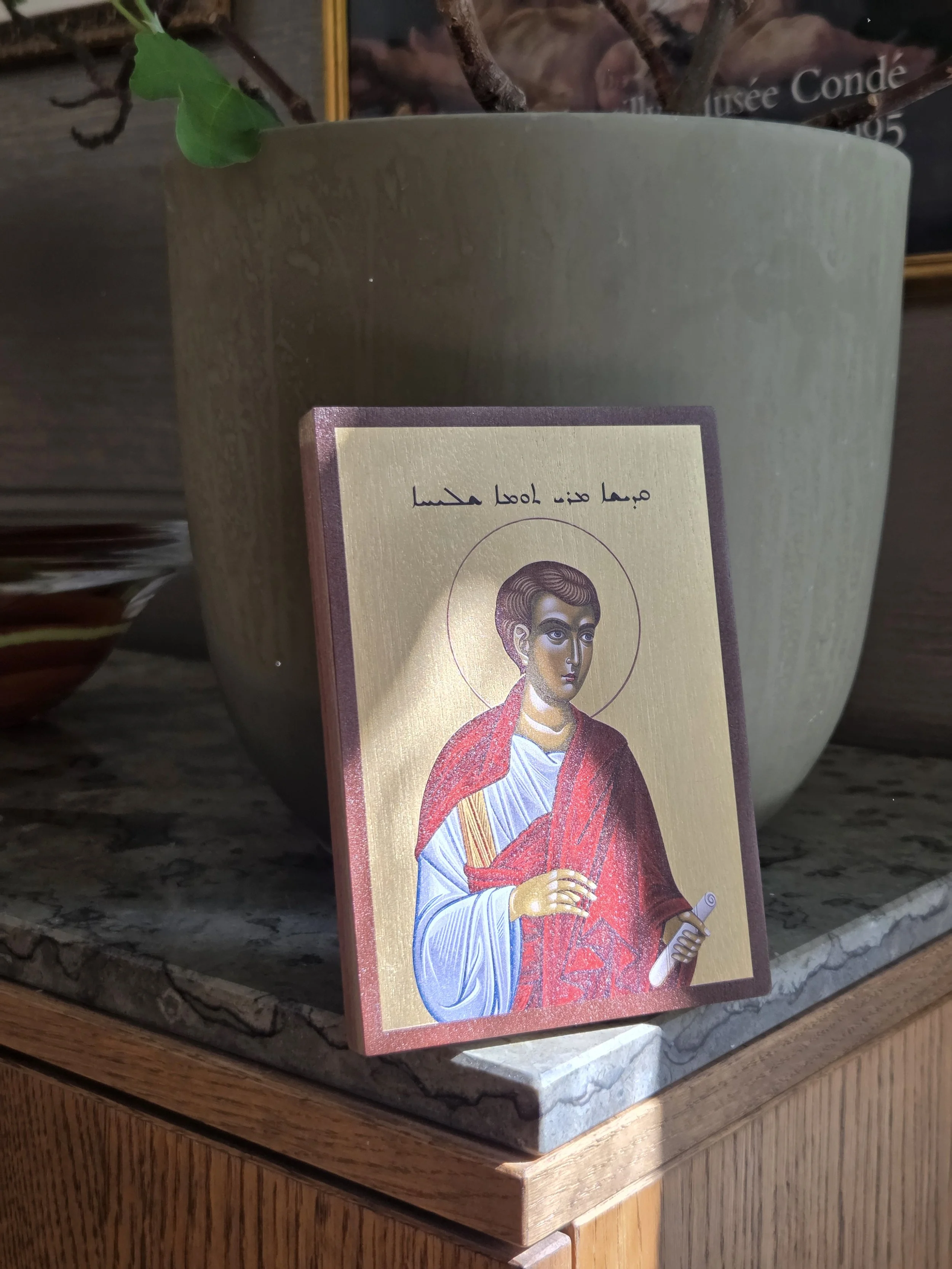
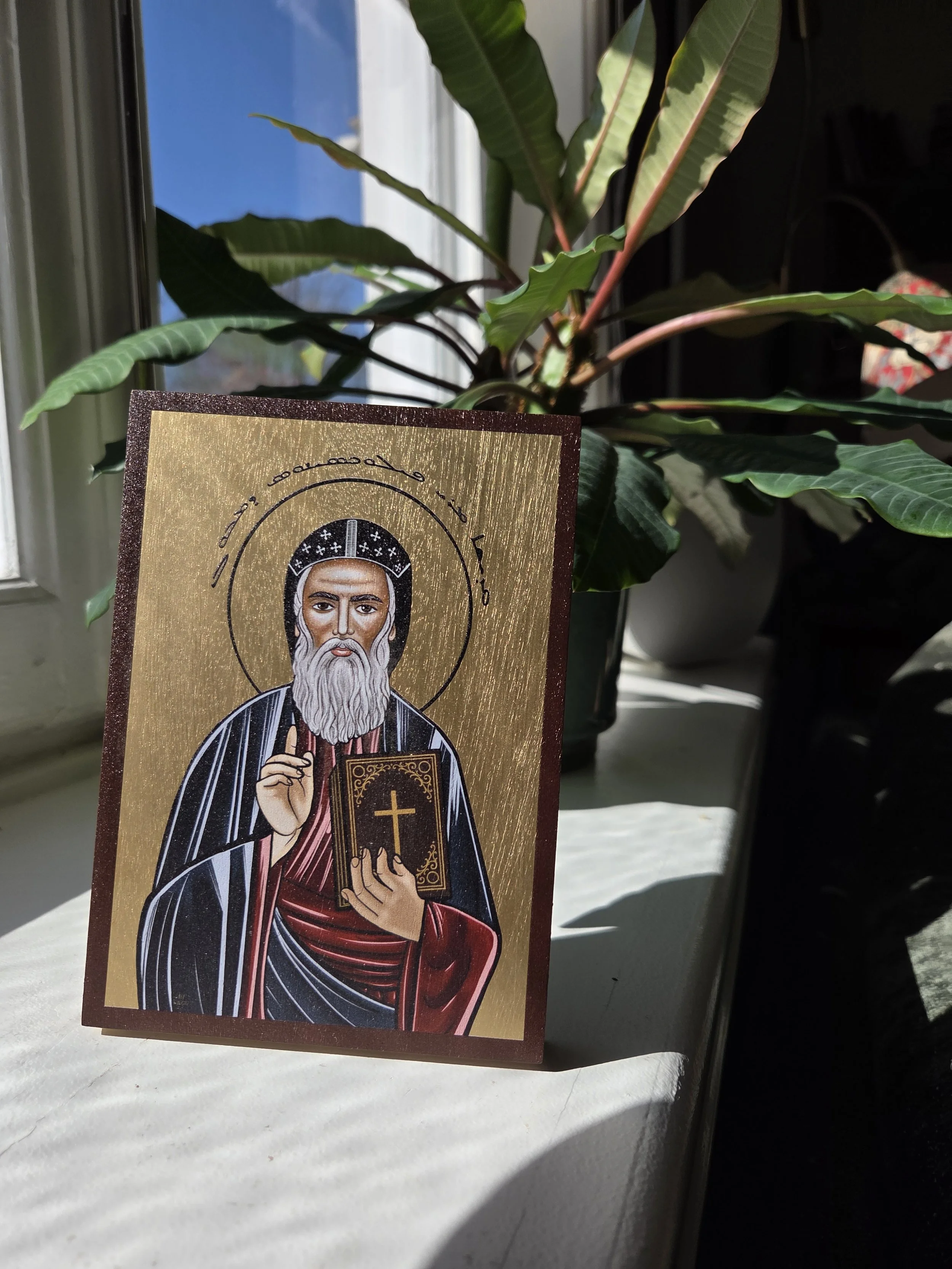
Saint Philoxenos of Mabbug (Hierapolis) (d. c. 523) served as bishop and a champion of the faith, leading the Cyrillian, miaphysite confession that Christ is from two natures before the union yet one incarnate nature of God the Word after the Incarnation, thereby rejecting both Nestorianism and the Chalcedonian “in two natures” formula. Nowadays, apostolic churches agree that the disagreements that Chalcedon resulted in are mostly semantic…
He anchored this theology pastorally through numerous spiritual homilies, ascetical treatises, and letters, and, together with the chorepiscopus Polycarp, sponsored the 508 Philoxenian Syriac revision of the New Testament. When imperial policy turned against the Miaphysite churches he was deposed and exiled first to Philippopolis (modern Plovdiv, Bulgaria) and later to Gangra, where he continued to write under harsh house arrest, reportedly in chains. He died violently in exile where some accounts say by suffocation, after which the Oriental Orthodox Churches venerated him as a confessor.
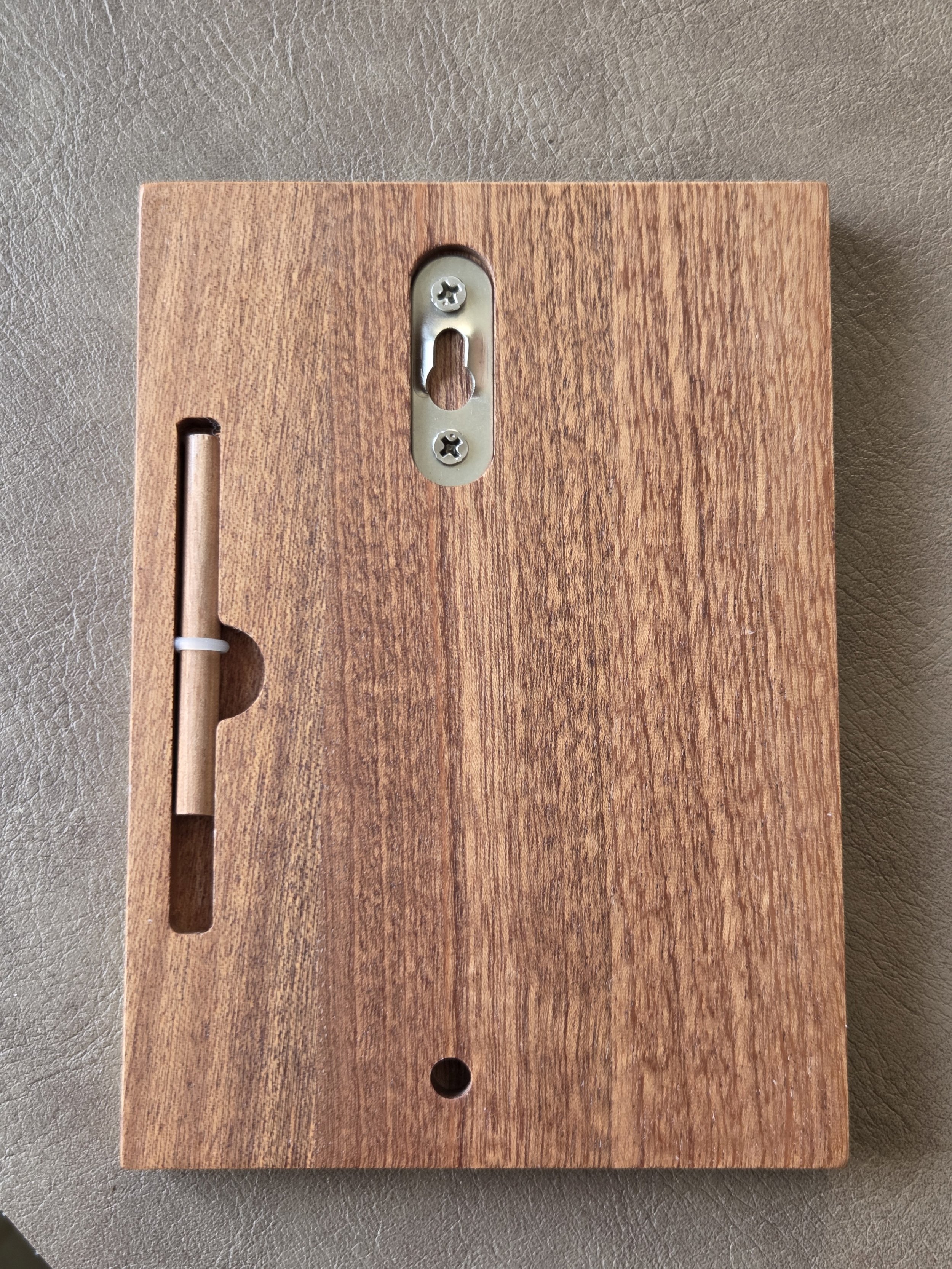
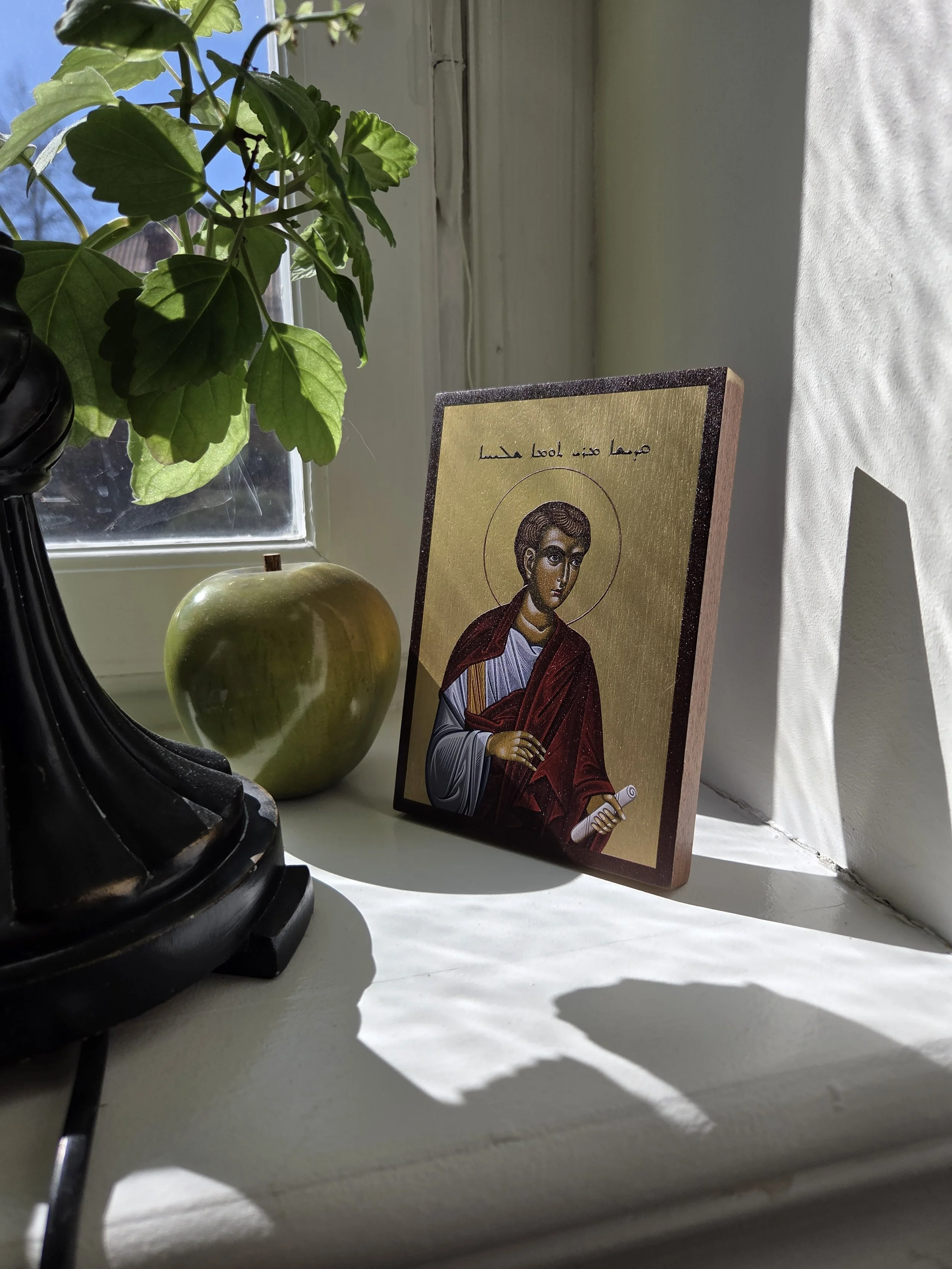
Dimensions: 11x15.3x1.5cm
Saint Philoxenos of Mabbug (Hierapolis) (d. c. 523) served as bishop and a champion of the faith, leading the Cyrillian, miaphysite confession that Christ is from two natures before the union yet one incarnate nature of God the Word after the Incarnation, thereby rejecting both Nestorianism and the Chalcedonian “in two natures” formula. Nowadays, apostolic churches agree that the disagreements that Chalcedon resulted in are mostly semantic…
He anchored this theology pastorally through numerous spiritual homilies, ascetical treatises, and letters, and, together with the chorepiscopus Polycarp, sponsored the 508 Philoxenian Syriac revision of the New Testament. When imperial policy turned against the Miaphysite churches he was deposed and exiled first to Philippopolis (modern Plovdiv, Bulgaria) and later to Gangra, where he continued to write under harsh house arrest, reportedly in chains. He died violently in exile where some accounts say by suffocation, after which the Oriental Orthodox Churches venerated him as a confessor.
Dimensions: 11x15.3x1.5cm