 Image 1 of 4
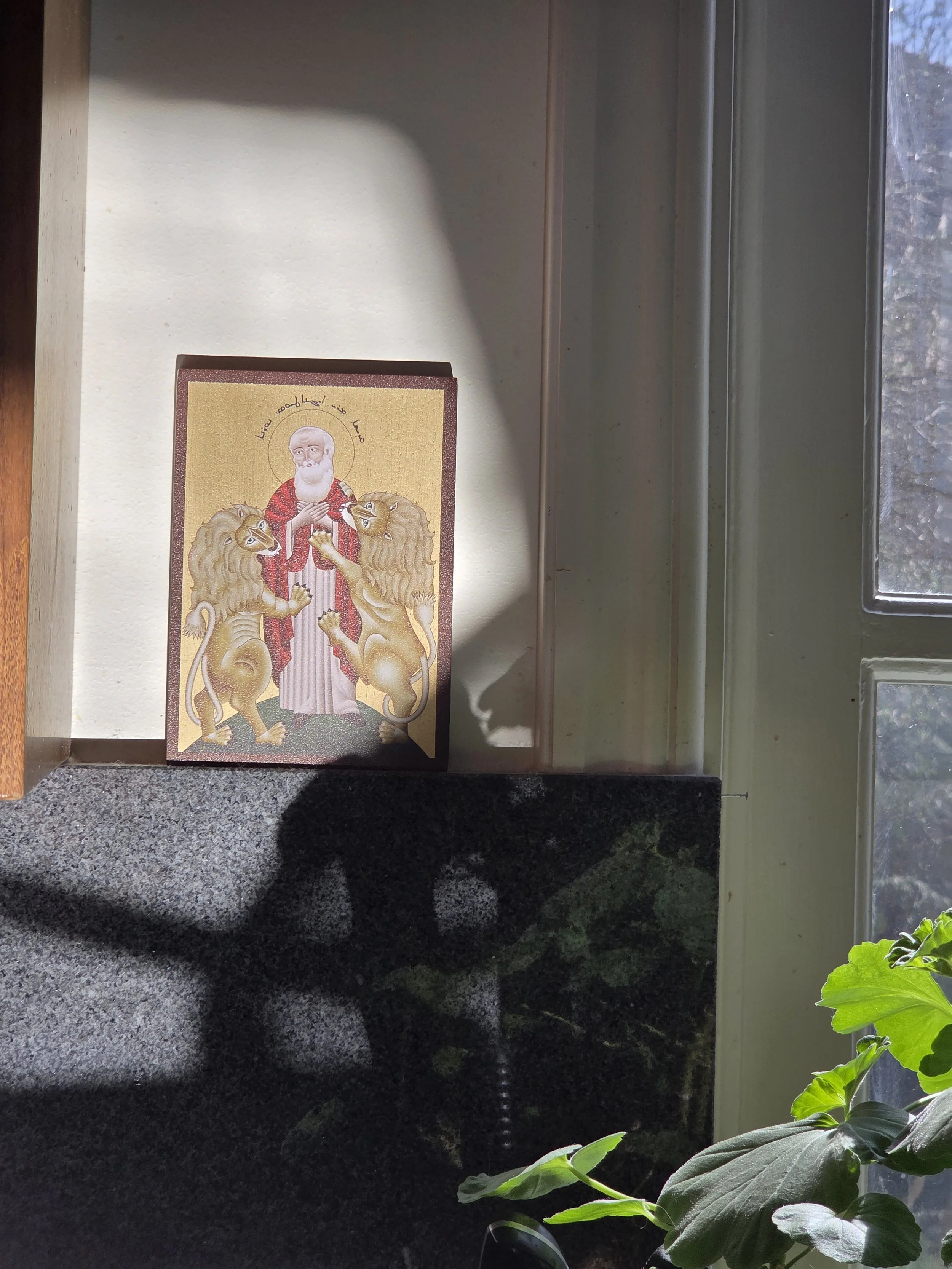 Image 2 of 4
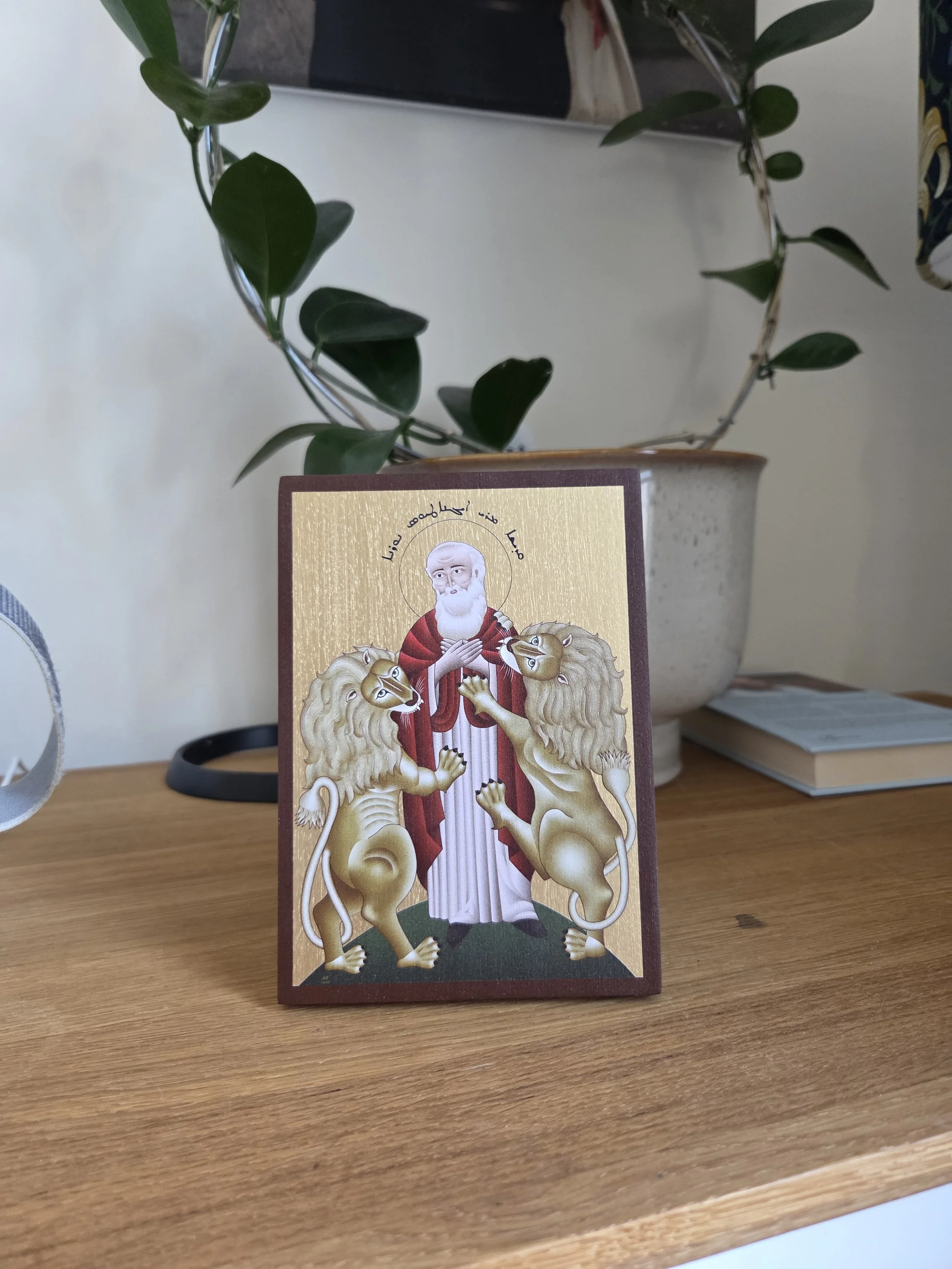 Image 3 of 4
 Image 4 of 4
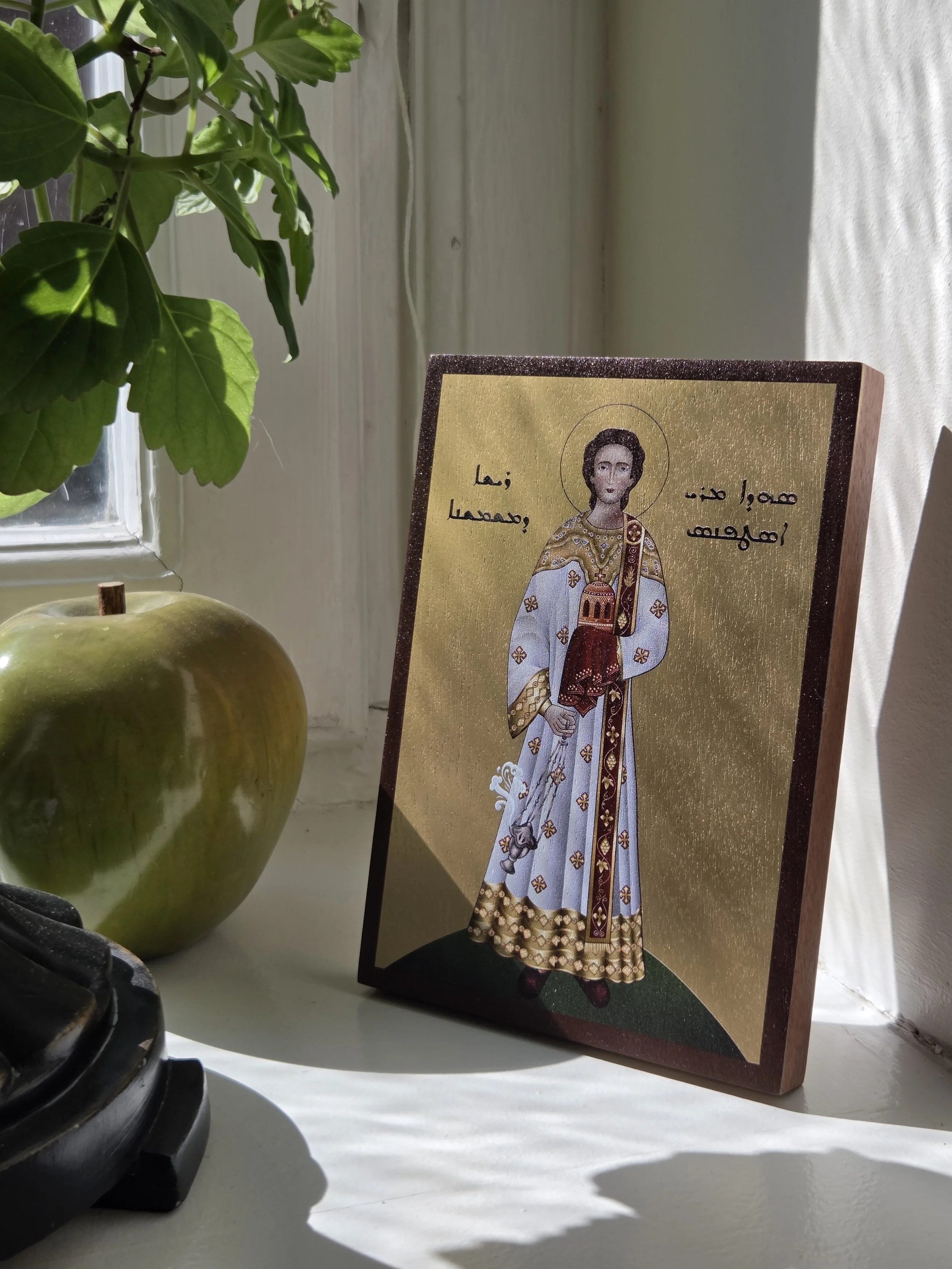
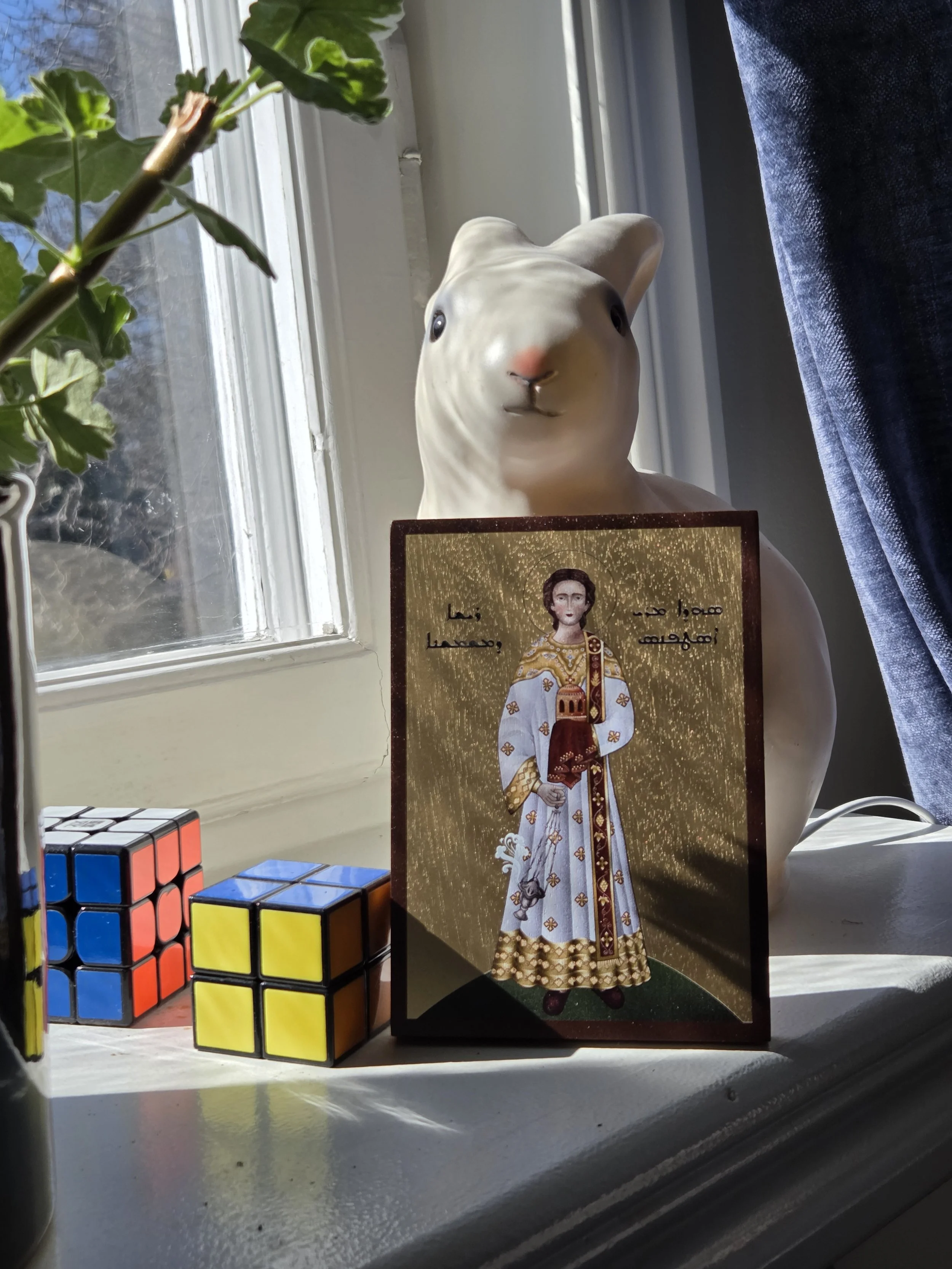
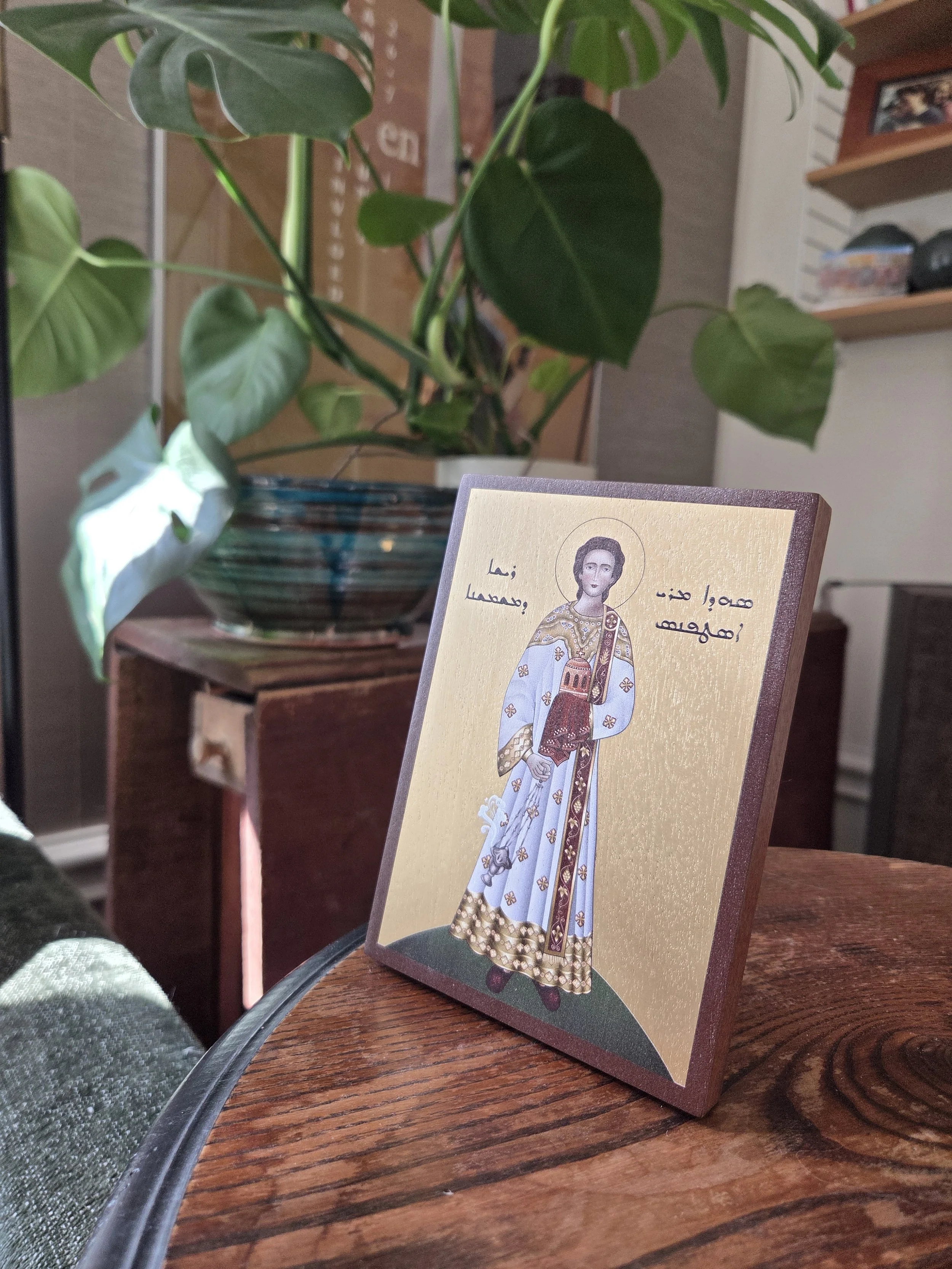
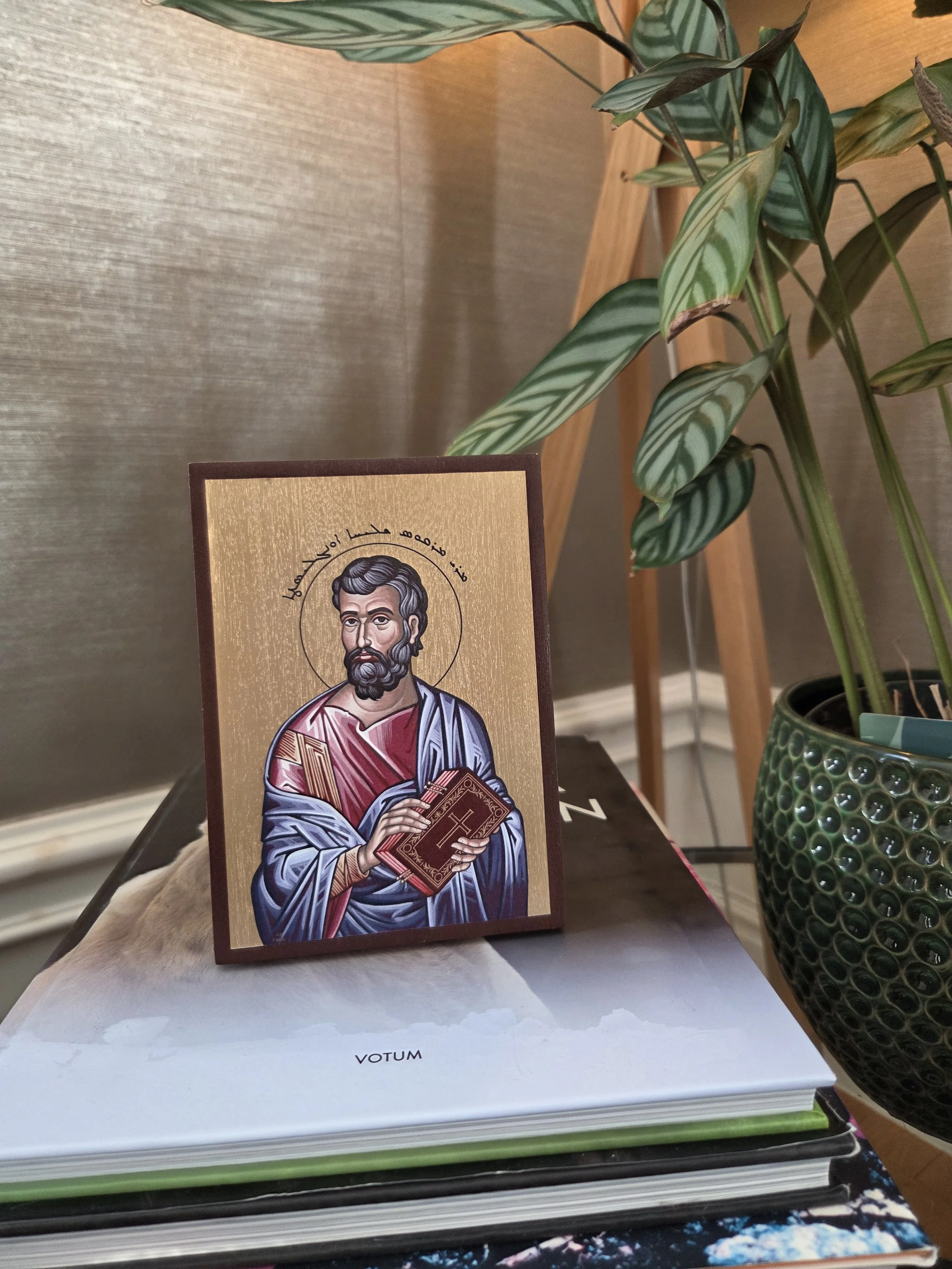
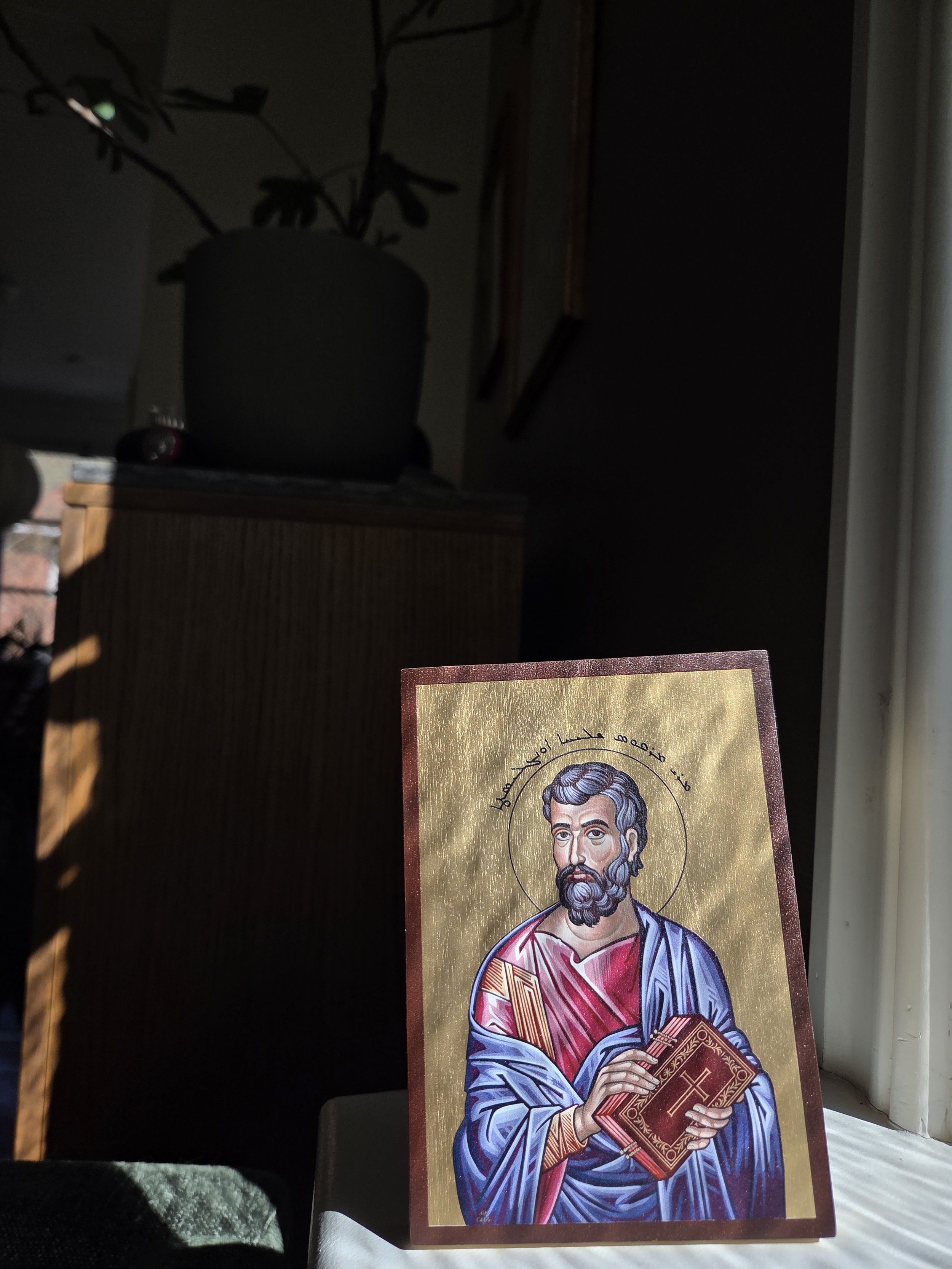
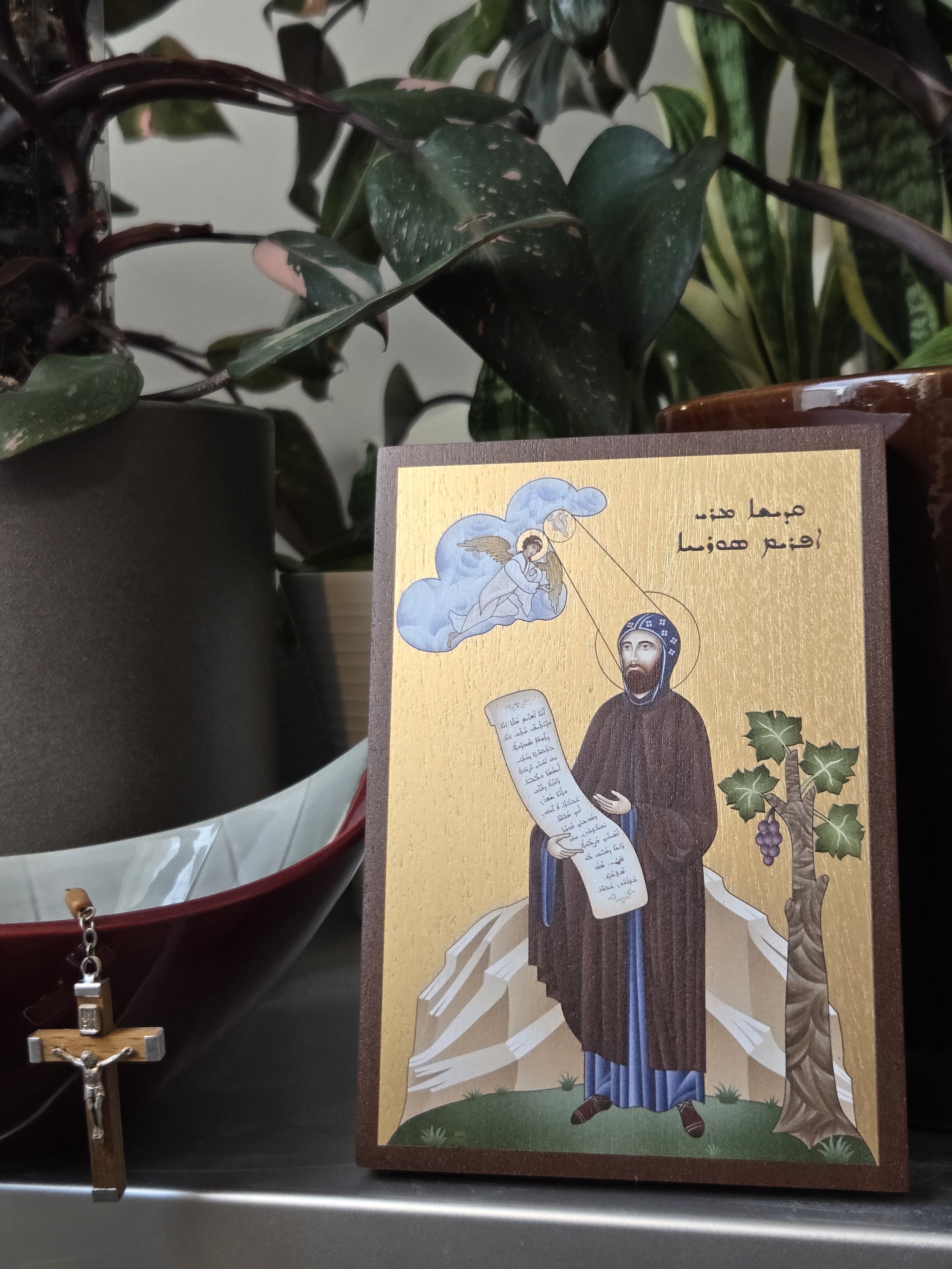
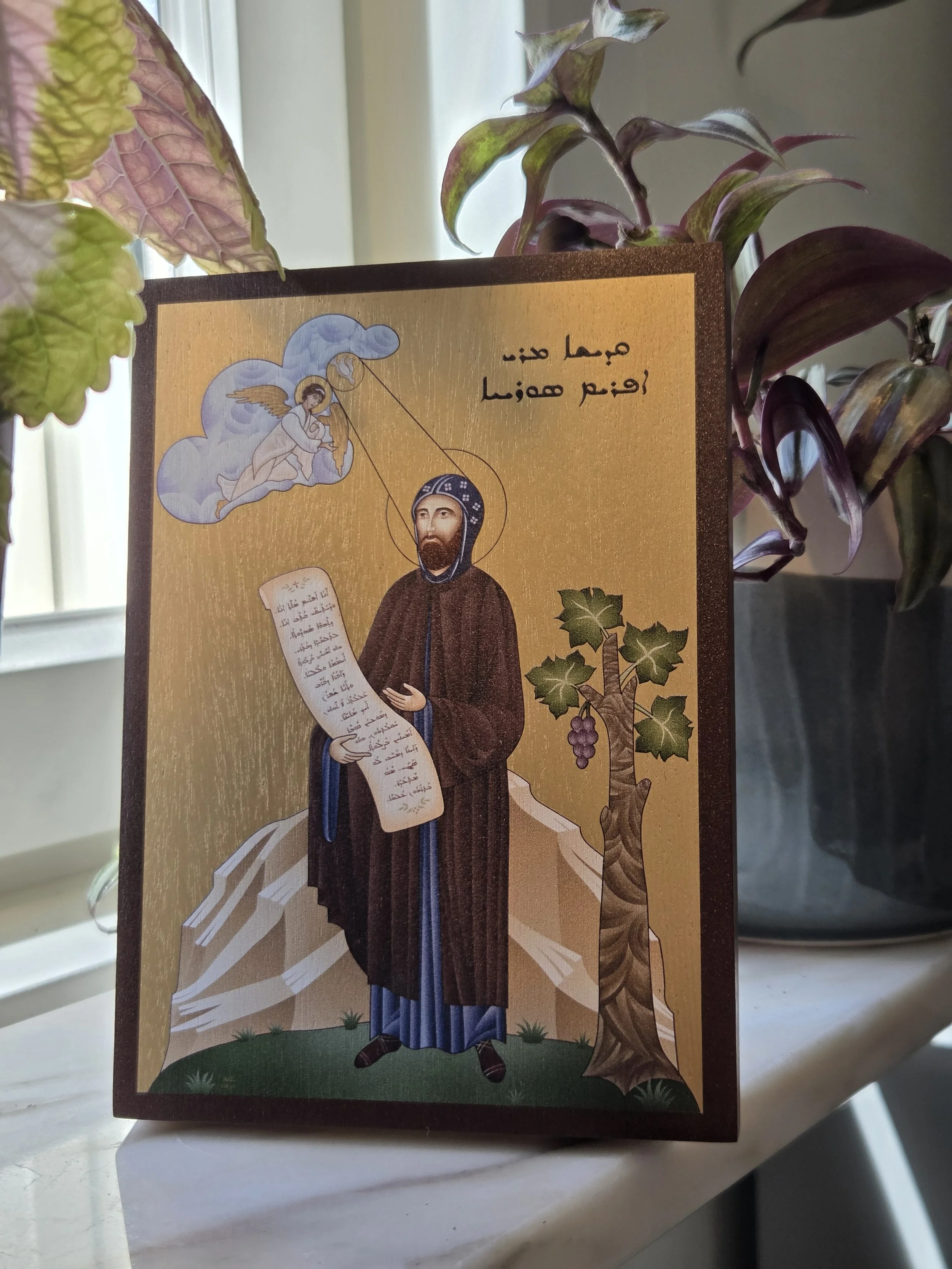
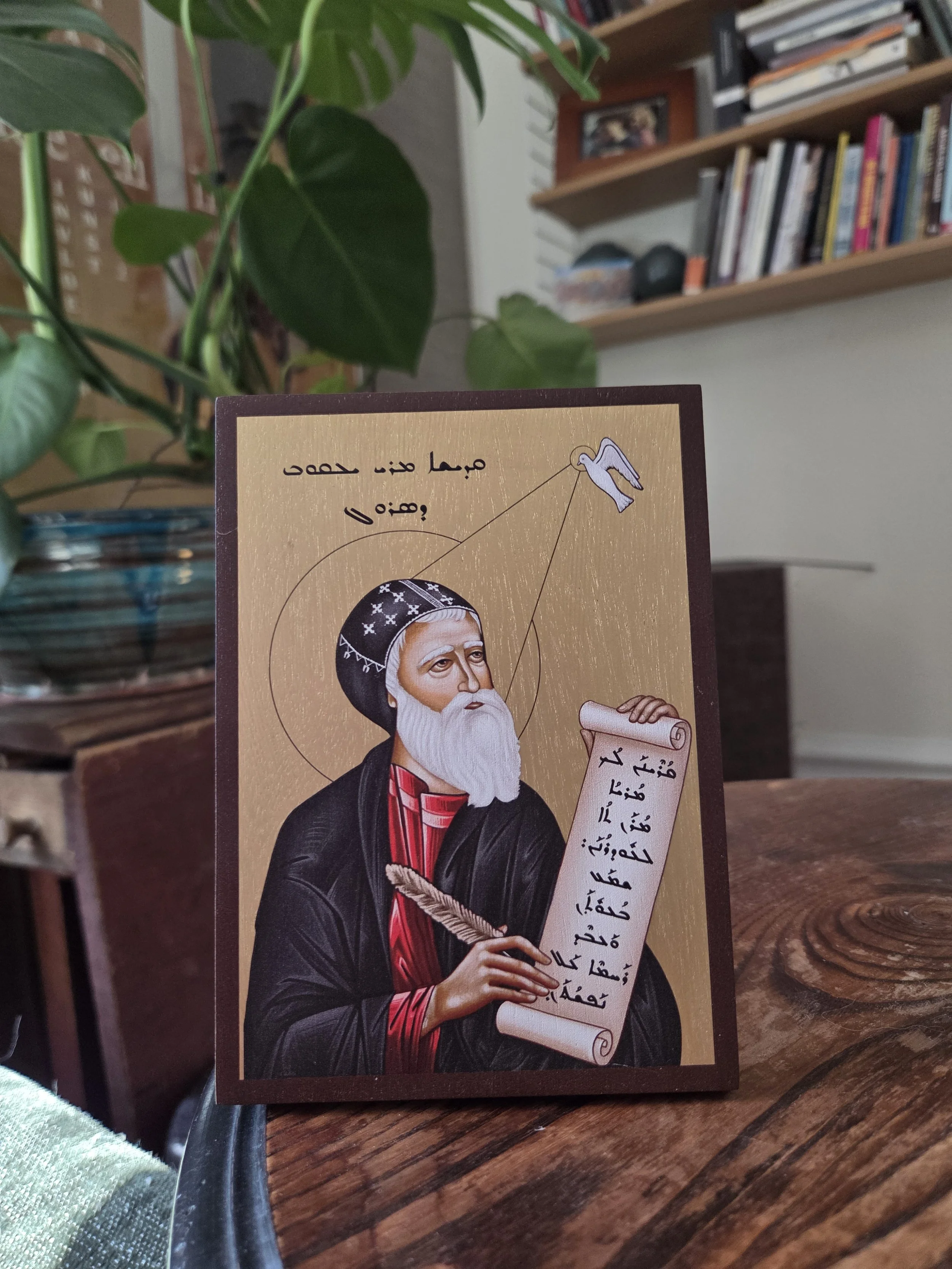
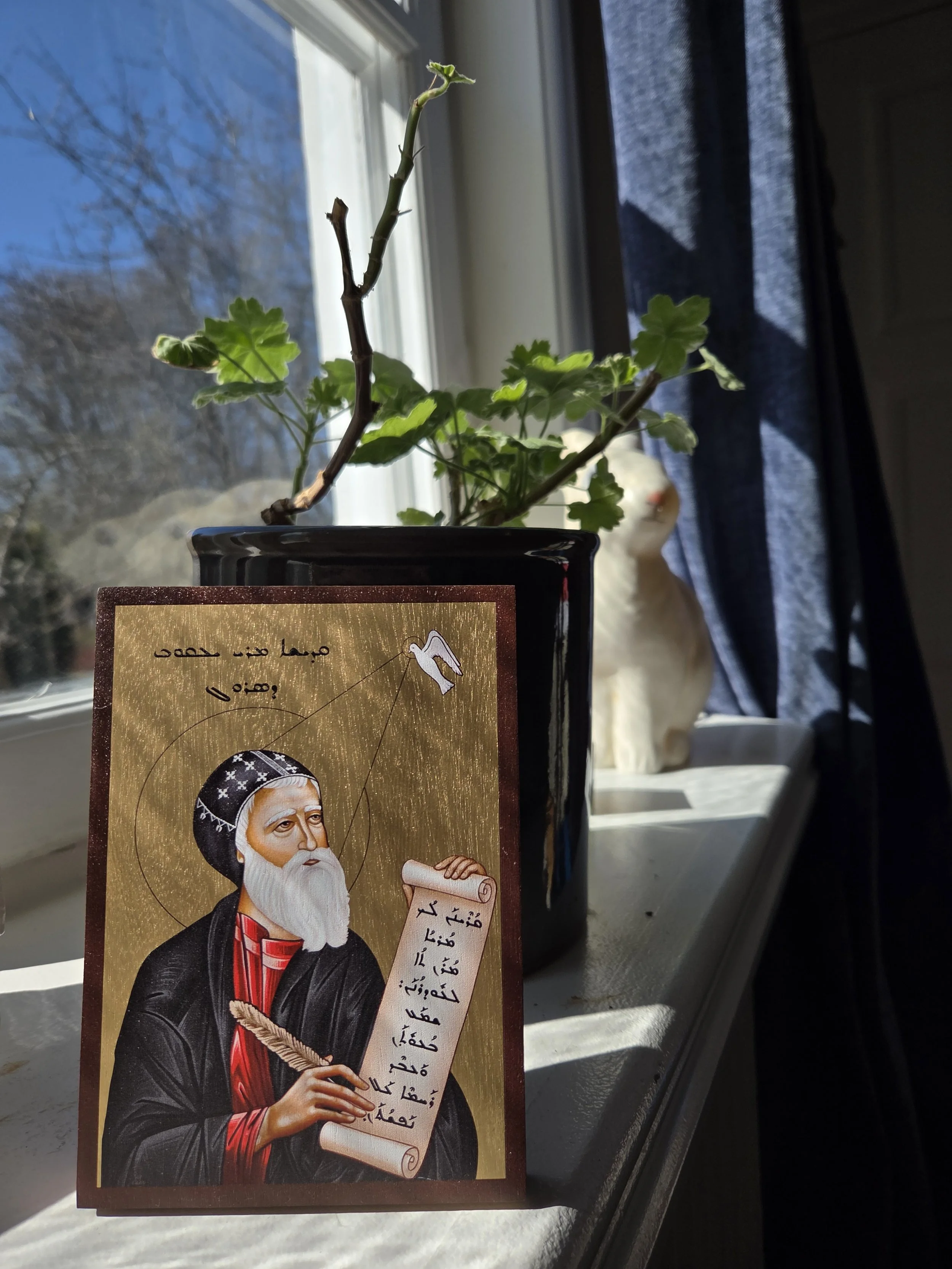
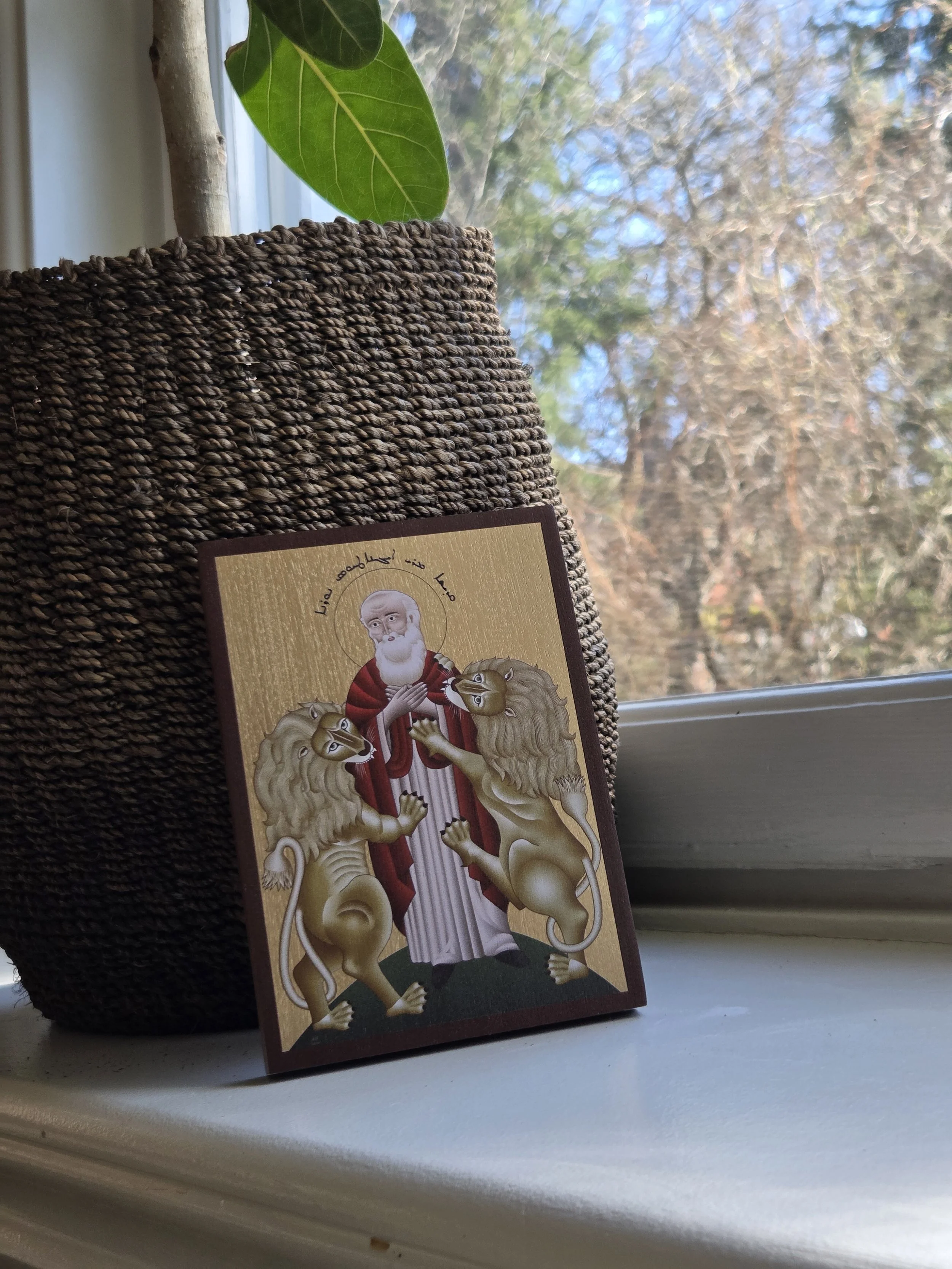
Saint Ignatius of Antioch, the third bishop (patriarch) of the See of Antioch, is a major Saint in the Syriac Orthodox Church. A direct disciple of the Apostle John and, according to tradition, ordained a bishop by the Apostles Peter and Paul. A later churchly tradition holds that Ignatius was the child whom Jesus took in His arms and blessed (Mark 10; Matt 19; Luke 18).
On his journey to Rome for martyrdom due to persecution of Christians, he wrote seven letters to churches (and to bishop Polycarp) that strengthened believers in faith and clarified doctrine, affirming the unity of the Church under the bishop, the threefold ministry (Holy Orders), and the real presence of Christ in the Eucharist. He received the crown of martyrdom when lions killed him at the circus in Rome.
In the Syriac Orthodox Church, each patriarch of Antioch takes “Ignatius” as a patriarchal name before his own monastic name, as a deliberate act of honor toward Saint Ignatius of Antioch. The custom was reinforced in 1293 and has remained continuous to the present day (for example, Ignatius Aphrem II)
Dimensions: 11x15.3x1.5 cm
Saint Ignatius of Antioch, the third bishop (patriarch) of the See of Antioch, is a major Saint in the Syriac Orthodox Church. A direct disciple of the Apostle John and, according to tradition, ordained a bishop by the Apostles Peter and Paul. A later churchly tradition holds that Ignatius was the child whom Jesus took in His arms and blessed (Mark 10; Matt 19; Luke 18).
On his journey to Rome for martyrdom due to persecution of Christians, he wrote seven letters to churches (and to bishop Polycarp) that strengthened believers in faith and clarified doctrine, affirming the unity of the Church under the bishop, the threefold ministry (Holy Orders), and the real presence of Christ in the Eucharist. He received the crown of martyrdom when lions killed him at the circus in Rome.
In the Syriac Orthodox Church, each patriarch of Antioch takes “Ignatius” as a patriarchal name before his own monastic name, as a deliberate act of honor toward Saint Ignatius of Antioch. The custom was reinforced in 1293 and has remained continuous to the present day (for example, Ignatius Aphrem II)
Dimensions: 11x15.3x1.5 cm